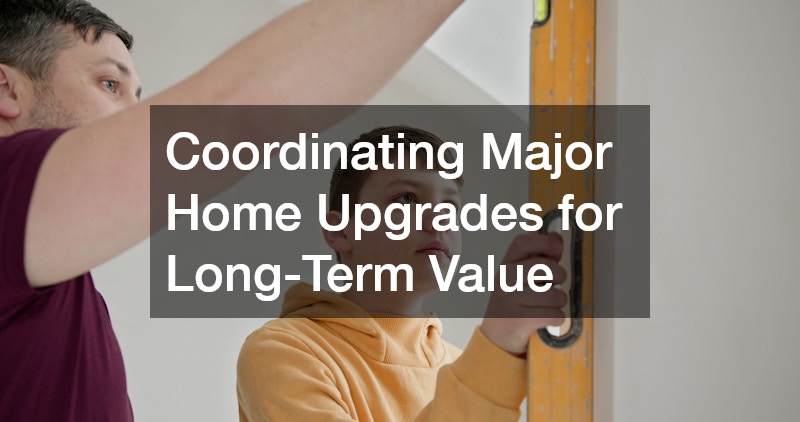
Major home upgrades are rarely small decisions. They affect daily routines, financial stability, resale potential, and the long-term durability of the house itself. Yet many homeowners still approach renovations as isolated projects-tackling one room or system at a time without considering how each decision influences the rest of the home.
This piecemeal approach often leads to unnecessary costs, mismatched finishes, and even structural conflicts that could have been avoided with better coordination. A home functions as a single system, not a collection of independent parts. Plumbing routes affect walls, exterior materials influence interior comfort, and structural choices determine how long finishes will last.
Coordinating upgrades strategically allows homeowners to stretch their budgets further, reduce future maintenance, and protect the value of their investment. The following sections walk through how to plan, sequence, and align major interior and exterior upgrades so they work together, not against each other-over the long term.
Too often, renovation decisions are driven by short-term needs or visual appeal alone. While aesthetics matter, they should support, not undermine, functionality, efficiency, and longevity. A beautiful space that ignores airflow, moisture control, or structural load can quickly become a source of frustration and unexpected expense.
Long-term coordination also helps homeowners avoid “upgrade regret,” where newly completed work must be undone to accommodate future improvements. Whether it’s opening walls again, replacing incompatible materials, or reworking layouts, these avoidable setbacks consume both time and money.
By stepping back and evaluating the home as an interconnected system, homeowners gain clarity and confidence. This broader perspective transforms renovations from reactive fixes into intentional improvements, ensuring that every upgrade contributes meaningfully to comfort, durability, and lasting value.
Aligning Bathroom and Kitchen Plans Early
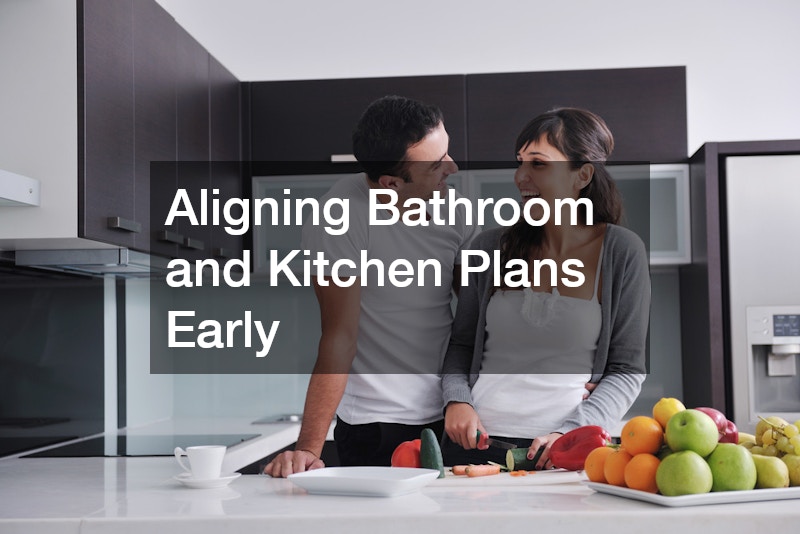
Bathrooms and kitchens are among the most complex spaces in any home. They involve plumbing, electrical systems, ventilation, structural framing, moisture management, and high-use surfaces. Because of this complexity, decisions made in these areas often ripple outward into other parts of the house.
One of the most common mistakes homeowners make is treating these rooms as purely aesthetic projects. Layout, infrastructure, and mechanical needs should come first, with finishes selected only after the functional groundwork is sound.
Working with a bath remodeling company early in the planning process helps homeowners evaluate existing plumbing lines, drainage slopes, ventilation paths, and wall construction before design decisions are finalized. This early involvement reduces the likelihood of expensive changes once demolition has begun.
Similarly, consulting a local kitchen designer during the initial planning phase provides insights that go far beyond cabinet colors or appliance styles. Designers assess workflow, clearance requirements, lighting needs, and structural constraints that homeowners often overlook. Their input can also help anticipate future needs, such as aging-in-place considerations or evolving household routines. When these professionals are brought in early, homeowners gain clearer timelines, more accurate budgets, and layouts that support both immediate comfort and long-term functionality.
Key coordination considerations include:
- Reviewing bathroom and kitchen layouts together to identify shared plumbing walls
- Aligning fixture locations to minimize pipe rerouting
- Ensuring ventilation systems don’t compete for space or airflow
- Planning electrical capacity upgrades before walls are closed
By coordinating these spaces early, homeowners avoid situations where one project limits the success of the other. For example, upgrading a kitchen without accounting for future bathroom ventilation can lead to cramped mechanical chases or inefficient airflow later.
The goal is not just visual harmony, but operational efficiency that supports comfort, health, and durability for years to come.
Sequencing Storage and Surface Upgrades Correctly
Once layouts and infrastructure are finalized, attention often turns to visible elements-storage, work surfaces, and finishes. While these components are highly visible, their success depends heavily on correct sequencing and precise execution.
Storage systems define how a space functions day to day. Cabinet placement affects traffic flow, appliance access, and even structural load distribution. For this reason, cabinet installation should always be completed before final surface materials are measured or ordered.
Installing cabinets too late can create alignment issues, while installing them too early, before flooring or wall corrections, can lead to uneven lines and gaps. These issues may seem minor at first, but they often become more noticeable with daily use. Gaps can collect dust and moisture, doors may fall out of alignment, and countertops may not sit flush. By respecting proper order and allowing time for adjustments, homeowners ensure that finishes look intentional and perform reliably long after the project is complete.
Proper sequencing ensures:
- Cabinets are anchored to level, finished walls
- Appliance openings meet manufacturer clearance requirements
- Load-bearing supports are properly reinforced
Surface materials require even greater precision. Countertop installation depends on accurate cabinet dimensions, finalized sink and appliance selections, and confirmed support structures. Rushing this step often results in costly remakes or compromised durability.
Homeowners should also consider how these elements interact with future upgrades. For example:
- Thicker countertops may affect backsplash height or window trim
- Cabinet heights influence lighting placement and sightlines
- Material choices can impact long-term maintenance and repair costs
Practical tips for better coordination include:
- Waiting until cabinets are fully installed and inspected before templating surfaces
- Confirming appliance specs before finalizing measurements
- Selecting materials that tolerate minor structural movement over time
When storage and surfaces are planned together and installed in the correct order, the result is not only better aesthetics, but fewer functional problems and longer-lasting finishes.
Improving Outdoor Comfort Without Compromising Structure
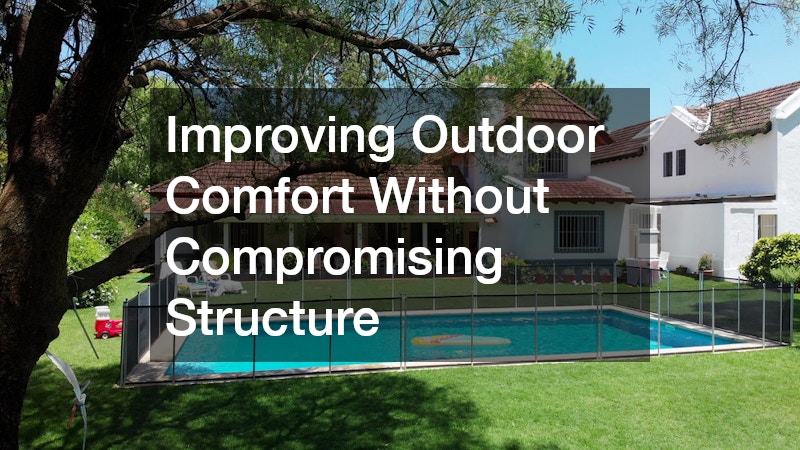
Outdoor comfort upgrades can significantly enhance how a home is used, especially in warm or sunny climates. Shade structures, in particular, help reduce indoor heat gain while making patios, decks, and outdoor seating areas more usable throughout the year.
However, these additions interact directly with the home’s exterior envelope. Poor planning can lead to water intrusion, structural stress, or conflicts with future exterior renovations.
An experienced awning company evaluates more than just size and appearance. Load calculations, attachment points, wind exposure, and drainage paths all play a role in long-term performance. Without this analysis, shade structures may compromise siding, trim, or framing.
Proper awning installation also requires coordination with other exterior elements. Mounting locations must align with structural framing rather than decorative surfaces, and flashing details must be handled carefully to maintain water resistance. Homeowners should also consider how these additions affect future access for maintenance, painting, or repairs. When outdoor comfort features are planned alongside exterior upgrades instead of added as an afterthought, they integrate more cleanly, perform more reliably, and enhance usability without introducing new risks to the home’s structure.
For example:
- Mounting hardware must penetrate structural framing, not just decorative trim
- Flashing must be installed correctly to prevent leaks
- Placement should account for future siding or roofing work
Homeowners should also think about timing. Installing outdoor features before major exterior renovations can result in unnecessary removal and reinstallation later. Coordinating schedules ensures that:
- Structural attachments are integrated cleanly
- Waterproofing layers remain intact
- Aesthetic alignment is maintained across exterior elements
Outdoor comfort upgrades work best when they’re treated as part of the home’s overall system, not as standalone additions. When properly planned, they enhance both daily enjoyment and long-term efficiency without creating new vulnerabilities.
Strengthening the Home’s Exterior Envelope Strategically
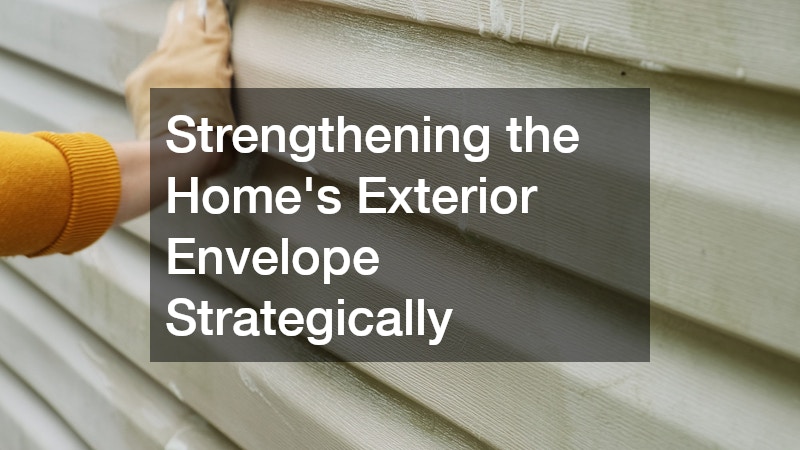
The exterior envelope-walls, cladding, trim, and roofing serve as the home’s primary defense against moisture, temperature extremes, and structural degradation. When one component fails or underperforms, the others are often affected.
For this reason, homeowners considering residential siding replacement should evaluate the condition of the roof, flashing, windows, and underlying sheathing at the same time. Siding installed over compromised structures may look fine initially, but hidden problems can escalate quickly.
Choosing a reputable roofing company during this phase helps identify vulnerabilities that might otherwise be missed. Roof edges, valleys, and penetrations are common sources of water intrusion that directly impact siding performance. Addressing these areas proactively reduces the risk of trapped moisture and long-term damage.
Coordinating exterior upgrades also allows materials and details to work together. Flashing systems can be integrated correctly, trim profiles can align cleanly, and weather barriers can remain continuous. When these elements are addressed as a group rather than in isolation, the exterior performs more reliably, requires less maintenance, and provides better protection for the interior spaces it surrounds.
Strategic coordination involves:
- Inspecting wall sheathing and insulation before installing new siding
- Ensuring flashing systems integrate seamlessly between roof and wall materials
- Aligning material lifespans so one system doesn’t outlast the other by decades
Homeowners should also consider regional climate factors. Materials that perform well together in one environment may fail prematurely in another. Wind exposure, humidity, temperature swings, and sun intensity all influence material selection.
By treating the exterior as a unified system, homeowners reduce the risk of:
- Moisture trapped behind finishes
- Uneven weathering and fading
- Premature maintenance or replacement cycles
Exterior upgrades planned in isolation often cost more over time. Coordinated improvements, on the other hand, extend durability and protect interior investments.
Maximizing Roof Performance and Material Lifespan
The roof is one of the most critical systems in the home, yet it’s often approached as a reactive repair rather than a strategic upgrade. Many homeowners wait until visible damage appears, missing opportunities to improve efficiency, ventilation, and longevity.
Comprehensive roofing services go beyond replacing surface materials. They include evaluating underlayment, ventilation paths, insulation interaction, and drainage systems. These factors directly affect attic moisture levels, indoor comfort, and energy costs.
Material choice plays a major role in long-term performance. While traditional options may offer lower upfront costs, metal roofing provides advantages that align well with long-term planning. Its durability, resistance to weather extremes, and compatibility with modern insulation systems make it a strong option for homeowners focused on longevity.
Beyond materials, timing and coordination matter. Roof upgrades are most effective when aligned with insulation improvements, exterior wall work, or structural repairs. Addressing ventilation and drainage at the same time reduces the risk of condensation and ice-related issues. Homeowners who treat the roof as part of an integrated system-not an isolated surface-benefit from fewer repairs, better energy performance, and greater peace of mind over the life of the home.
Key considerations when evaluating roof upgrades include:
- Expected lifespan versus maintenance requirements
- Compatibility with existing or planned exterior materials
- Impact on energy efficiency and attic ventilation
Coordination is especially important when roofing work overlaps with other projects. For example:
- Roof replacement before siding upgrades ensures proper flashing integration
- Ventilation improvements should align with insulation changes
- Structural reinforcements may be needed for heavier materials
A roof planned as part of a broader upgrade strategy protects every system beneath it. When homeowners prioritize performance over short-term savings, the benefits compound over decades, reducing maintenance demands, improving efficiency, and strengthening overall structural resilience.
Coordinating major home upgrades is not about doing everything at once-it’s about doing things in the right order, with the right information, and with long-term goals in mind. Homes that age well are rarely the result of isolated decisions. They are shaped by thoughtful planning, strategic sequencing, and an understanding of how systems interact.
When homeowners view their property as a connected whole rather than a series of projects, they reduce wasted spending, improve daily comfort, and protect resale value. Each upgrade becomes a building block instead of a standalone expense.
By planning ahead, seeking professional insight early, and aligning interior and exterior improvements, homeowners can turn necessary upgrades into lasting investments that pay dividends for years to come.
Just as importantly, this approach reduces stress and uncertainty throughout the renovation process. Clear priorities make it easier to set realistic budgets, anticipate disruptions, and make confident decisions when trade-offs arise. Instead of reacting to problems as they appear, homeowners can proactively address weaknesses before they escalate into costly repairs.
A coordinated strategy also allows upgrades to reinforce one another. Structural improvements support finishes, efficiency upgrades enhance comfort, and exterior protection safeguards interior investments. Over time, this layered approach leads to a home that not only looks better, but performs better in daily life.
Ultimately, successful home improvement is less about individual upgrades and more about stewardship. Thoughtful coordination respects the home’s structure, protects its value, and ensures that every improvement contributes meaningfully to long-term durability, functionality, and peace of mind.