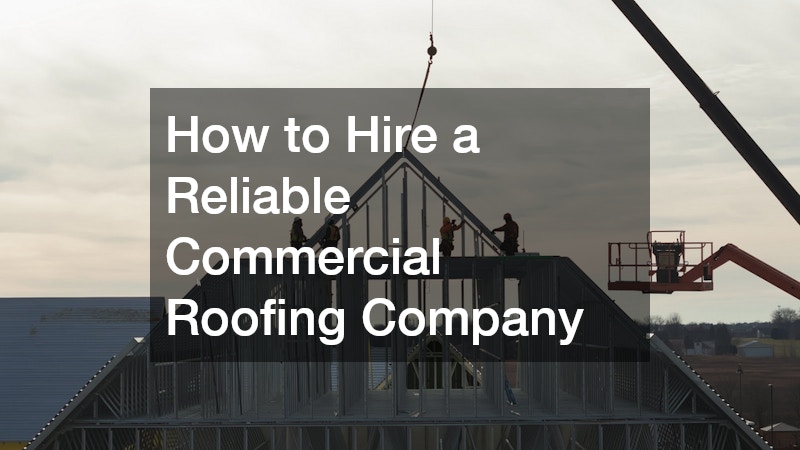
Hiring a commercial roofing company is a high-stakes decision for any property owner or facility manager. Your roof protects inventory, equipment, employees, and tenants—and failures can disrupt operations, create safety hazards, and drive up long-term costs. Unlike residential projects, commercial roofing systems are larger, more complex, and subject to stricter codes and performance requirements.
That makes contractor selection especially critical. A reliable commercial roofing company doesn’t just complete the job; they minimize risk, communicate clearly, and deliver work that holds up over time.
What Criteria Should I Use to Evaluate a Commercial Roofing Company?
The first step in evaluating a commercial roofing contractor is verifying their credentials. A legitimate company should hold all required state and local licenses to perform commercial roofing work. Licensing demonstrates compliance with building codes and industry regulations, which is essential for passing inspections and avoiding legal issues. Insurance is equally important. At a minimum, the contractor should carry general liability insurance and workers’ compensation coverage. Liability insurance protects your property if damage occurs during the project, while workers’ compensation shields you from responsibility if a worker is injured on-site. Always request certificates directly and confirm they are current—this is a basic safeguard that reputable contractors expect and welcome.
Past performance is one of the strongest indicators of future reliability. Ask the roofing company for references from recent commercial projects, ideally ones similar in size and scope to yours. Speaking directly with previous clients allows you to assess factors like communication, timeliness, professionalism, and how issues were handled during the project. Online reviews can also provide insight, especially when patterns emerge. Look beyond star ratings and read detailed feedback on platforms like Google or industry-specific directories. Consistent comments about missed deadlines, poor cleanup, or lack of follow-up are red flags, while repeated praise for transparency and workmanship is a positive sign.
Commercial roofing is not one-size-fits-all. Different buildings require different systems—TPO, EPDM, modified bitumen, metal, or built-up roofing—each with its own installation and maintenance standards. A reliable commercial roofing company should demonstrate clear experience with the type of roof your property has or needs. Ask how long they’ve been in business, what kinds of commercial properties they typically work on, and whether they have manufacturer certifications. Experienced contractors can anticipate challenges, recommend appropriate solutions, and comply with warranty and code requirements. Lack of relevant experience often leads to mistakes that shorten roof lifespan and increase repair costs.
How Can I Ensure the Quality of Materials and Workmanship?
Not all roofing materials are created equal, and quality depends heavily on sourcing. Ask where the contractor obtains their materials and whether they work with established manufacturers. Reputable commercial roofing companies are transparent about the products they use and why they recommend them for your building. Warranties are another critical consideration. There are typically two types: manufacturer warranties on materials and workmanship warranties from the contractor. Make sure you understand what is covered, for how long, and under what conditions. A strong warranty backed by a stable contractor adds long-term value and peace of mind.
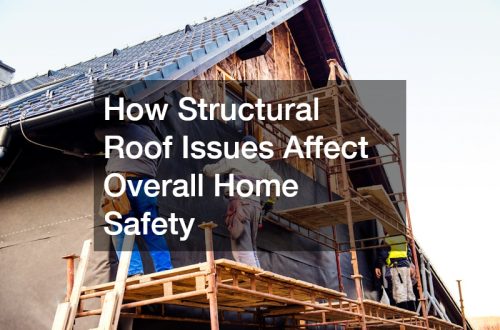
Commercial roofing projects involve significant safety risks, including working at height, heavy materials, and equipment operation. A reliable roofing company should have documented safety protocols and follow OSHA standards. This includes fall protection systems, proper signage, and daily site management. Observing safety practices isn’t just about protecting workers—it also protects your business. Poor safety increases the risk of accidents, delays, liability claims, and project shutdowns. Contractors who prioritize safety tend to be more organized, disciplined, and professional overall.
The tools and equipment a contractor uses directly affect efficiency and workmanship. Modern commercial roofing often requires specialized equipment for insulation installation, membrane welding, fastening systems, and inspections. Well-maintained, up-to-date tools help ensure consistent installation and reduce the likelihood of errors. During the evaluation process, don’t hesitate to ask about the equipment they use or how they maintain it. Contractors who invest in proper tools typically take their work seriously and are better equipped to deliver durable, code-compliant results.
What Should I Expect in Terms of Cost and Timeline?
A professional commercial roofing estimate should be clear, detailed, and easy to understand. It should break down material costs, labor, permits, disposal, warranties, and any potential variables. Vague or overly simplistic quotes often hide exclusions that lead to change orders later. Ask how the contractor handles unforeseen issues, such as hidden moisture damage or structural repairs. A reliable company will explain potential contingencies upfront and outline how additional costs are approved and documented.
While cost is always a factor, choosing the lowest bid can be a costly mistake. Extremely low pricing may indicate substandard materials, inexperienced labor, or shortcuts that compromise roof performance. Instead of focusing solely on price, compare value. Look at what each proposal includes, the quality of materials specified, warranty coverage, and the contractor’s track record. Paying slightly more for a proven commercial roofing company often results in fewer repairs, longer roof life, and lower total cost of ownership.
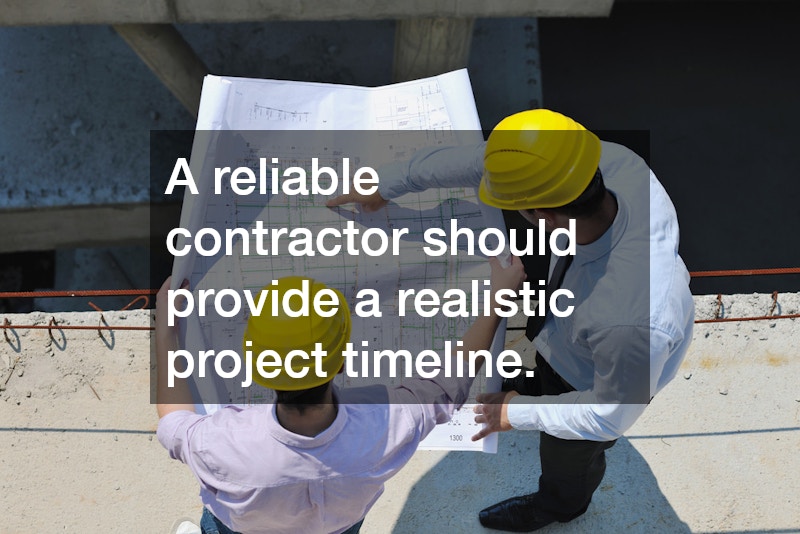
A reliable contractor should provide a realistic project timeline and explain each phase of the job. Typical commercial roofing projects include inspection, preparation, material delivery, installation, quality checks, and final walkthrough. Timelines should account for weather, building occupancy, and operational constraints. Clear scheduling helps minimize disruptions to your business and ensures accountability. Contractors who can clearly articulate their process are more likely to manage the project efficiently and keep stakeholders informed.
Hiring a reliable commercial roofing company requires more than a quick price comparison. It involves verifying credentials, evaluating experience, confirming material quality, and understanding cost and timelines in detail. By taking the time to vet contractors thoroughly, you reduce risk, protect your property, and ensure your roofing investment delivers long-term performance. Informed decision-making upfront leads to safer projects, fewer surprises, and a commercial roof you can depend on for years to come.