For most homeowners, a residence is far more than a place to live—it is the largest single financial asset in their portfolio. While cosmetic upgrades like marble countertops, custom cabinetry, and fresh paint often capture the imagination, it is structural renovations that safeguard the true value of the property. The structural integrity of a building forms the framework upon which all equity is built. When structural elements fail, cosmetic improvements quickly lose their charm and financial value.
Over time, weather exposure, soil settling, and material degradation continuously challenge your home’s exterior envelope and load-bearing framework. Ignoring minor structural issues can lead to compounding damage, where small water leaks evolve into rotted framing, compromised foundations, and dangerous indoor air quality issues. Investing proactively in structural maintenance and envelope upgrades protects your equity, lowers lifetime operating costs, and ensures long-term peace of mind.
This guide explores how targeted structural renovations, material selections, and professional contractor coordination protect your home investment for decades to come.
The Role of Structural Envelope Upgrades in Preserving Home Value
A home’s structural envelope consists of the roof, exterior walls, foundation, doors, and windows. Together, these components act as a protective barrier against rain, wind, thermal expansion, and pests. When any part of this barrier is compromised, the entire building faces accelerated depreciation.
Identifying Vulnerabilities in Your Home’s Primary Shield
Recognizing early warning signs of structural vulnerability allows homeowners to intervene before minor repairs turn into massive structural overhauls. A thorough evaluation of your building envelope should be conducted at least twice a year.
-
Inspect rooflines and exterior walls from ground level for subtle sagging, dipping, or bowing, which indicate rafter or wall plate fatigue.
-
Examine foundation walls for horizontal cracking or stair-step cracks through masonry joints, which often signal soil pressure issues or unmitigated water accumulation.
-
Check interior door frames and window casings for sticking or wide gaps, as shifting frames usually point to foundation movement or floor joist deflection.
-
Monitor attic spaces for damp insulation, dark wood discoloration, or daylight shining through structural decking boards.
-
Check perimeter drainage and downspout discharge locations to ensure water moves at least five to ten feet away from foundation footings.
When undertaking structural modifications—such as removing load-bearing walls, adding dormers, or reinforcing subfloors—managing structural loads requires experienced oversight. Working with a qualified professional in general contracting ensures that structural modifications meet local building codes, preserve load-bearing paths, and protect the foundational stability of the house.
Evaluating High-Return Exterior Upgrades
When allocating a home improvement budget, prioritizing exterior structural upgrades delivers a double benefit: immediate protection against moisture intrusion and long-term equity growth.
-
Modernizing your home’s outer defenses prevents hidden structural rot that can silently erase home equity over years of neglect.
-
Energy-efficient structural upgrades, such as insulated wall sheathing and advanced roof underlayments, significantly reduce monthly heating and cooling costs.
-
High-durability structural improvements reduce emergency repair needs, allowing homeowners to budget predictably for standard routine maintenance.
-
Enhanced structural protection can qualify homeowners for reduced hazard insurance premiums, particularly in regions prone to high winds or severe storms.
Among all envelope upgrades, investing in quality residential roofing yields one of the highest returns on investment by sealing the top of the structure against water penetration, thermal loss, and wind-driven rain.
Selecting Material Systems for Weatherization and Durability
Choosing the right materials for structural exterior upgrades requires balancing initial capital cost, long-term maintenance requirements, regional weather conditions, and architectural style.
Maximizing Value with Modern Architectural Composite Options
Composite materials have evolved significantly in performance and aesthetic appeal. Today’s high-grade composite shingles offer multi-layered protection engineered to withstand extreme environmental stress.
-
Choose Class 4 impact-rated shingles to resist severe hail strikes and qualify for substantial home insurance policy discounts.
-
Ensure your installation includes synthetic underlayment and self-adhering ice and water shields along eaves, valleys, and rafter penetrations.
-
Select products treated with copper-lined or zinc-coated granules to inhibit unsightly blue-green algae growth in humid or shady microclimates.
-
Verify wind resistance ratings, aiming for materials tested to withstand gusts of up to 130 miles per hour.
-
Pair modern composite materials with ridge ventilation systems to allow trapped attic heat and moisture to escape efficiently.
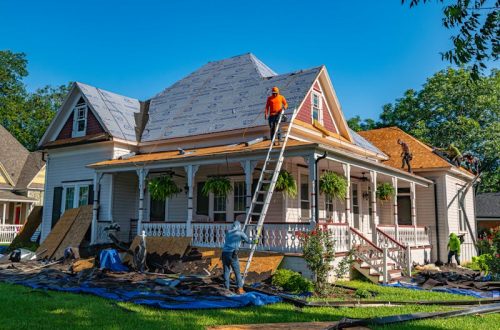
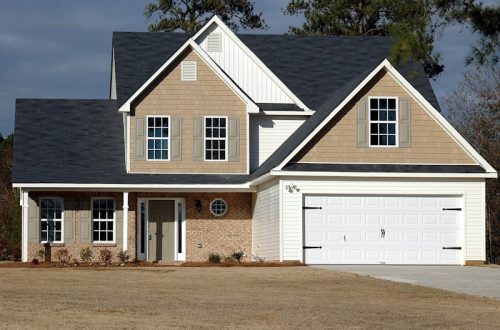
For most suburban properties, opting for a high-performance asphalt shingle roofing system balances affordability with impressive durability, providing a reliable, weather-tight barrier for twenty to thirty years when installed with proper ventilation and ice shields.
Upgrading to Lifetime Metal Systems for Extreme Climates
For homeowners planning to stay in their property for decades, or those situated in areas exposed to severe winter storms, wildfire threats, or intense summer heat, metal material systems offer unmatched longevity.
-
Standing seam metal systems conceal fasteners beneath interlocking ribs, virtually eliminating leak paths caused by backing-out screws or degraded rubber washers.
-
Metal materials are inherently non-combustible, earning a Class A fire rating that offers critical protection in wildfire-prone regions.
-
High-reflectivity cool-roof coatings reflect solar radiation, keeping attic spaces cooler and reducing summer cooling loads by up to 25%.
-
Metal systems weigh significantly less than concrete or clay tiles, reducing dead weight on roof trusses and load-bearing walls.
Enlisting specialized local metal roofing contractors guarantees that custom flashings, ridge vents, and expansion joints are fabricated and installed correctly to accommodate normal metal expansion and contraction.
Vetting and Coordinating Specialized Trade Professionals

The success of any structural renovation depends heavily on the skill and integrity of the trade professionals performing the work. Cutting corners on labor or hiring uncertified crews increases the risk of structural failure and voided manufacturer warranties.
Verification and Credential Checking Protocol
Before signing contracts or issuing deposit payments for structural work, run a rigorous verification check on every prospective company.
-
Request a Certificate of Insurance showing both general liability and workers’ compensation coverage, ensuring the certificate lists you as a certificate holder.
-
Verify active state and municipal trade licenses through official online licensing portals to confirm there are no unresolved consumer complaints or administrative suspensions.
-
Confirm factory certifications from material manufacturers, which grant contractors the authority to offer extended non-prorated system warranties.
-
Ask for three local references for projects completed within the past twelve months and take time to visit those job sites or call the owners.
-
Check local building permit registries to confirm the contractor routinely pulls required permits and passes municipal inspections on schedule.
Thoroughly vetting licensed residential roofing contractors helps ensure your project is completed by experienced teams who adhere to safety regulations, local building codes, and manufacturer-mandated installation techniques.
Standardizing Quotes and Scope Analysis
To make a true side-by-side comparison between competing proposals, insist that all trade partners provide detailed, line-item estimates.
-
Verify that bids explicitly detail teardown procedures, disposal fees, decking repair rates per sheet, and specific flashing details.
-
Ensure all bids specify the exact brand, product line, and color of primary materials, rather than listing generic material allowances.
-
Look for explicit inclusion of drip edges, ice and water shield square footage, starter strips, and ridge cap accessories in the proposal scope.
-
Establish clear milestone payment schedules tied to verifiable project stages rather than paying large upfront cash deposits.
Comparing detailed proposals from multiple established roofing contractors allows you to identify hidden costs, evaluate warranty differences, and ensure that safety equipment and site protection measures are factored into the contract price.
Proactive Maintenance vs. Reactive Damage Mitigation
Waiting for a structural failure to occur before taking action is the most expensive way to manage a property. Proactive structural maintenance costs a fraction of reactive emergency repairs and prevents secondary damage to interior living areas.
Detecting Early Warning Signs of Structural Intrusion
Catching minor water leaks or structural framing stress early stops damage from spreading deep into floor joists, ceiling drywall, and wall cavities.
-
Perform visual inspections inside attic spaces at least twice a year, looking for water stains on rafter bottoms, damp insulation, or dark mold spots on sheathing.
-
Check exterior flashing around chimneys, skylights, plumbing vents, and wall intersections for cracked sealant or rusted metal boots.
-
Inspect gutter runs for accumulation of heavy mineral granules, which indicates advancing surface wear on surrounding composite materials.
-
Check exterior fascia boards and soffits for softening or peeling paint, which points to clogged gutters or back-siphoning water.
-
Look for musty odors or elevated humidity levels in upper floors or basements, as these often signal hidden moisture accumulation inside wall cavities.
When minor flashing failures or missing shingles are discovered during routine checks, scheduling prompt roof repair prevents water from trickling down internal framing members and causing rotted structural wood.
Establishing On-Site Quality Control During Upgrades
When major structural work is underway, active monitoring of job site habits and installation practices protects your family, property, and ongoing investment.
-
Ensure the installation crew uses heavy tarps to protect siding, windows, air conditioning condensers, and delicate landscape beds from falling tear-off debris.
-
Confirm that daily site cleanups include magnetic sweeps of all lawn, driveway, and patio areas to collect stray nails and sharp metal scraps.
-
Verify that safety measures—including harness tie-offs, scaffolding, and ladder stabilizers—are actively used by everyone working on high or steep structures.
-
Confirm that any damaged underlying plywood or OSB roof decking discovered during tear-off is completely replaced rather than covered up.
Observing the work habits and safety procedures of professional roofers on your site gives you confidence that the job is being carried out carefully and to high quality standards.
Long-Term Value Creation Through Integrated Service Plans
Maintaining a home’s structural health is an ongoing process, not a one-time project. Establishing continuous service relationships and maintaining detailed documentation preserves equity and simplifies future real estate sales.
Leveraging Full-Service Warranty Coverage for Resale Power
When it comes time to sell your home, fully documented structural improvements backed by transferable warranties offer a significant competitive edge in the real estate market.
-
Modern home buyers are increasingly risk-averse and actively seek out properties with recently updated, fully warranted structural systems.
-
Transferable warranties on major structural components eliminate buyer hesitation during home inspections, speeding up closing times.
-
Comprehensive renovation records, including building permits, paid invoices, and inspection sign-offs, justify higher asking prices during appraisals.
-
A well-maintained structural envelope provides buyers with reassurance that they won’t face major capital expenditures shortly after closing.
Partnering with an established roofing company that has a long operational history ensures that your written workmanship and material warranties remain backed by a solvent, reliable business for years to come.
Structuring Annual Inspection and Preventative Care Programs
Regular maintenance programs extend the functional life of structural investments and help maintain valid manufacturer warranty coverage.
-
Schedule professional envelope inspections every autumn and spring to identify storm damage, cleared flashing seals, or animal intrusions.
-
Keep gutters and downspout leaders completely free of leaves, pine needles, and debris to prevent water from backing up under eave edges.
-
Trim back overhanging tree branches to prevent physical rubbing on exterior surfaces and reduce moss-promoting shade.
-
Re-seal exterior caulking around windows, door frames, and wall penetrations every three to five years to prevent micro-leaks.
Utilizing comprehensive roofing services for routine maintenance, gutter clearance, and seasonal inspections ensures that small defects are fixed immediately and system performance remains optimal.
Financial Planning for Structural Whole-Home Renovation
Funding major structural renovations requires a strategic approach to capital allocation. Because these projects protect the underlying asset, homeowners have access to several attractive financing options.
Financing Structural Improvements Efficiently
Choosing the right financing model depends on your current home equity, prevailing interest rates, and overall financial goals.
-
Home Equity Lines of Credit (HELOCs) offer flexible, variable-rate access to funds drawn as needed during multi-phase structural projects, making them ideal for ongoing renovations.
-
Home Equity Loans provide a fixed interest rate and lump-sum payout with predictable monthly payments, making budget management straightforward for single, defined structural projects.
-
Cash-Out Refinancing allows homeowners to replace their primary mortgage with a larger loan, using the equity difference to fund major structural overhauls at primary mortgage interest rates.
-
FHA 203(k) Rehabilitation Loans enable home buyers to finance both the purchase price and necessary structural renovations through a single mortgage loan.
-
Specialized Energy-Efficiency Financing programs like Property Assessed Clean Energy (PACE) allow homeowners to finance qualifying weatherization and structural energy upgrades through property tax assessments.
When planning a budget for major structural renovations, always maintain a dedicated 15% contingency fund to cover unexpected repairs, such as hidden framing rot or damaged decking discovered during teardowns.
Calculating Total Return on Equity for Structural Upgrades
Evaluating the financial impact of structural renovations requires looking beyond immediate out-of-pocket costs to consider total lifetime value.
Prioritizing structural integrity over cosmetic enhancements guarantees that every dollar spent protects your home investment. By securing the roof, stabilizing the foundation, and maintaining a watertight building envelope, you preserve property value, reduce utility expenses, and build lasting home equity for the future.