Key takeaways
- Declutter first, then measure the room and sketch a layout that leaves clear walking paths.
- Use light, soft colors on the walls and ceiling to make the room feel bigger, and limit bold color to one accent wall.
- Choose the smallest bed that works for you, ideally one with built-in storage or a raised frame.
- Use vertical space with floating shelves, tall narrow dressers, and over-the-door organizers, and anchor tall furniture to the wall.
- Pick multi-functional, right-sized furniture, and use wall sconces to free up surface space.
- Hang mirrors to reflect light, and mount curtain rods high and wide to make windows look larger.
- Maximize hidden storage with under-bed bins and a second closet rod, and follow a one-in, one-out rule.
A small bedroom can feel like a puzzle. You need room for a bed, clothes, and a few personal things, but every new piece of furniture seems to make the space feel tighter. It’s easy to end up with a room that’s cramped, cluttered, and anything but relaxing.
The good news is that a small bedroom has plenty of potential. With the right colors, smart furniture, and a few clever storage tricks, you can make the room look bigger, work better, and feel more stylish. Many of the best ideas are simple and budget-friendly, and some cost nothing at all.
In this guide, you’ll find practical makeover ideas for small bedrooms of every kind, from a tiny guest room to a primary bedroom that’s short on square feet. Whether you’re redoing the whole space or just making a few changes, these tips will help you get the most style and function out of every inch.
1. Declutter and Plan Your Layout
Every great small bedroom makeover starts with less stuff. Before you buy anything new, clear out what you don’t need. Go through your closet, dresser, nightstands, and under the bed. Donate clothes you haven’t worn in a year, toss broken items, and move things that don’t belong in the bedroom, like work papers or exercise gear, to other parts of the house.
Next, measure your room. Write down the length and width of the walls, plus the locations of windows, doors, closets, outlets, and heating vents. Use graph paper or a free online room planner to sketch where furniture could go. This step helps you avoid buying pieces that don’t fit.
As you plan, leave clear paths for walking. Aim for at least 24 inches of space on the sides of the bed you use and about 30 to 36 inches in front of dressers and closets so drawers and doors can open fully. In many small rooms, placing the bed against a wall or centered on the wall opposite the door creates the most open floor space.
- Declutter before you decorate or buy new furniture.
- Measure the room and sketch a layout before shopping.
- Leave enough space to walk and open drawers and doors.
2. Use Light Colors and Smart Paint Tricks
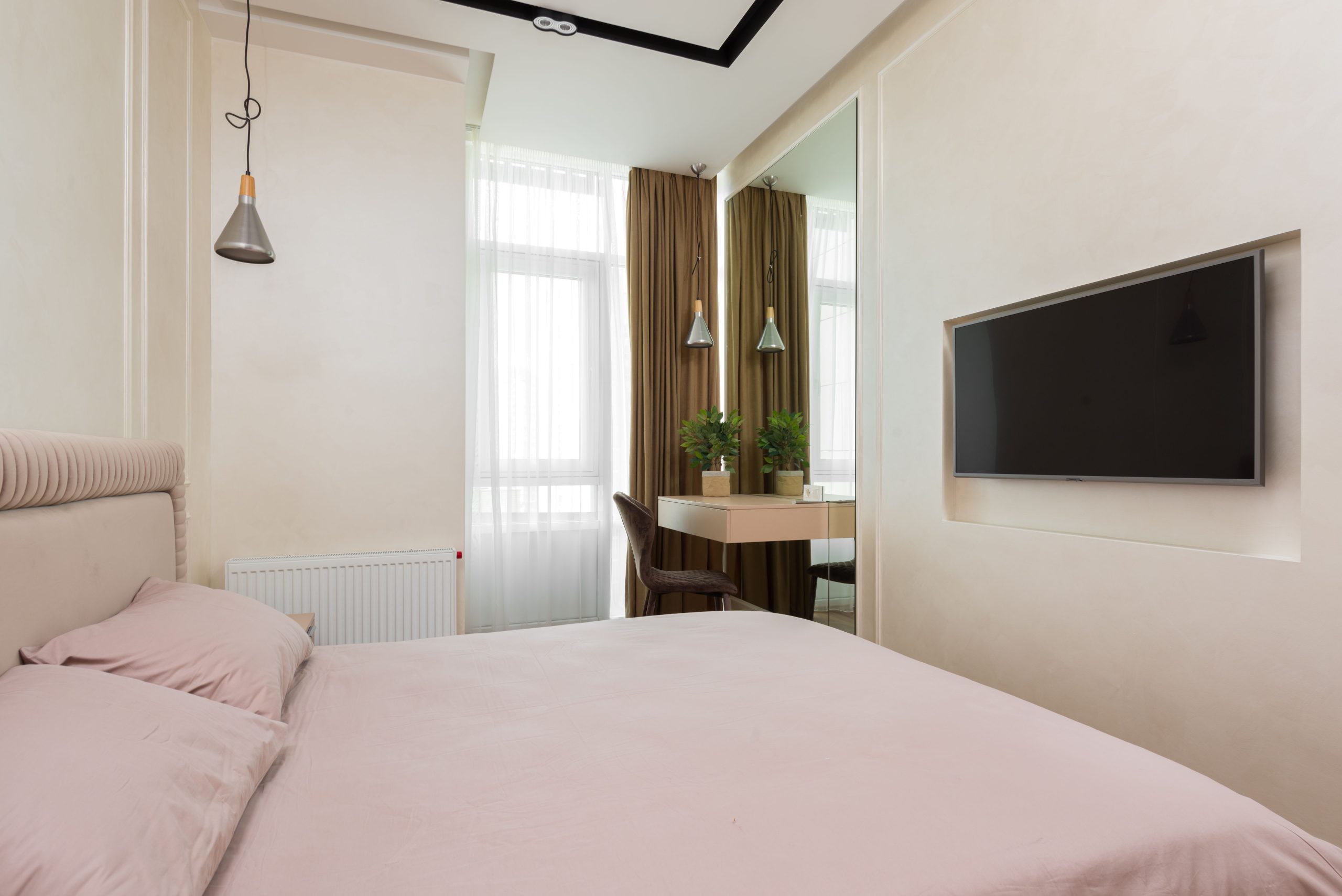
Color is one of the most powerful tools for making a small room feel bigger. Light, soft colors reflect more light, which helps walls seem to fade back and makes the room feel more open. Shades like warm white, soft gray, pale beige, light blue, or sage green are all great choices for small bedrooms.
Try painting the walls, trim, and even the ceiling in the same color or very similar shades. This blurs the lines where walls and ceilings meet, so the room feels taller and less boxy. A flat or matte finish on the ceiling and an eggshell finish on the walls work well and are easy to keep clean.
You don’t have to avoid bold colors completely, though. A deep navy, forest green, or charcoal accent wall behind the bed can create a cozy, stylish look and add depth. The key is to use dark colors on just one wall and keep the rest of the room light. Always test paint samples on the wall and look at them in both daylight and lamplight before committing.
- Choose light, soft wall colors to reflect light.
- Paint walls, trim, and ceiling in similar shades to add height.
- Use one bold accent wall for depth without crowding the room.
3. Choose a Space-Smart Bed
The bed is the biggest piece of furniture in most bedrooms, so choosing the right one makes a huge difference. Start with size. A queen bed is about 60 by 80 inches, while a full is about 54 by 75 inches. In a very small room, dropping from a queen to a full can free up valuable walking space.
Look for beds that work harder. Storage beds with built-in drawers or lift-up frames give you a hidden place for extra bedding, off-season clothes, or shoes. Platform beds with simple, low profiles feel lighter and don’t need a bulky box spring. Beds with legs that show some floor space underneath also make a room feel more open.
For tiny rooms, guest rooms, or kids’ rooms, consider a daybed, a loft bed with a desk underneath, or a wall bed, sometimes called a Murphy bed, that folds up when not in use. Skip heavy, oversized headboards and footboards. A slim upholstered headboard or a painted headboard shape on the wall adds style without taking up extra space.
- Choose the smallest bed size that fits your needs.
- Use storage beds or raised frames for hidden storage.
- Try daybeds, loft beds, or wall beds for very small rooms.
4. Go Vertical With Shelves and Tall Storage
When floor space is limited, look up. Walls offer plenty of room for storage and display without crowding the floor. Floating shelves above the bed, desk, or dresser are perfect for books, plants, and small decor. Keep them simple and avoid overloading them so the room doesn’t look cluttered.
A tall, narrow dresser or chest of drawers uses less floor space than a wide, low one while holding just as much. Tall bookcases can do double duty as storage and display, especially if you add matching baskets on lower shelves to hide everyday items. Just be sure to anchor tall furniture to the wall with anti-tip kits, especially in homes with children.
Don’t forget the back of the door. Over-the-door hooks or organizers can hold robes, bags, scarves, belts, or shoes. Pegboards and wall-mounted hooks are another stylish option for hanging hats, jewelry, or tomorrow’s outfit. Using vertical space draws the eye upward, which also makes the ceiling feel higher.
- Add floating shelves to free up floor space.
- Choose tall, narrow dressers and anchor them to the wall.
- Use doors and walls for hooks and organizers.
5. Pick Multi-Functional, Right-Sized Furniture
In a small bedroom, every piece of furniture should earn its place. Look for items that serve more than one purpose. A storage bench at the foot of the bed gives you a place to sit and a spot to stash blankets. A small dresser can double as a nightstand on one side of the bed. A narrow desk can also work as a vanity.
Scale matters too. Choose furniture that’s sized for your room, not for a showroom. Nightstands that are 18 to 20 inches wide often fit better than larger ones. Wall-mounted nightstands or floating shelves next to the bed take up no floor space at all and make cleaning easier.
Furniture with legs, glass tops, or open frames feels lighter because you can see through or under it. Acrylic or clear furniture almost disappears in a room. Round or oval side tables are also a smart choice in tight spaces because there are no sharp corners to bump into when you’re walking by.
- Choose pieces that do double duty, like storage benches.
- Pick furniture sized for small rooms, or mount it on the wall.
- Use leggy, clear, or round pieces to keep the room feeling open.
6. Layer Lighting Without Using Floor Space
Good lighting can make a small bedroom feel larger, warmer, and more inviting. Relying on one overhead light often leaves corners dark, which makes a room feel smaller. Instead, use a mix of light sources at different heights.
Wall-mounted sconces or swing-arm lamps on either side of the bed are perfect for small rooms. They free up nightstand space and give you good light for reading. Plug-in versions with cord covers are easy to install, even for renters. Pendant lights hung beside the bed are another stylish option that keeps surfaces clear.
For overall light, choose a flush-mount or semi-flush ceiling fixture that doesn’t hang too low. Add soft accent lighting, like LED strip lights behind a headboard or under a floating shelf, for a cozy glow at night. Use warm white bulbs, around 2700K, to create a relaxing mood, and consider a dimmer or smart bulbs so you can adjust the brightness at bedtime.
- Use several light sources instead of one overhead light.
- Choose wall sconces or pendant lights to save surface space.
- Pick warm white bulbs and add dimmers for a relaxing mood.
7. Use Mirrors and Smart Window Treatments
Mirrors are a classic small-space trick for good reason. They reflect light and views, which makes a room look bigger and brighter. Hang a large mirror across from or beside a window to bounce natural light around the room. A full-length mirror leaning against the wall or mounted on a closet door adds style and saves you a trip to the bathroom to check your outfit.
Window treatments can also change how big a room feels. Hang curtain rods 4 to 6 inches above the window frame, or even close to the ceiling, and extend them 6 to 12 inches past each side. This makes windows look taller and wider and lets in more light when the curtains are open. Choose floor-length curtains in a light color or the same shade as your walls for a seamless look.
Curtains can be practical, too. If you’re wondering how to reduce heating and cooling costs, thermal or insulated curtains are an easy, stylish place to start. They help block summer heat and hold in warmth during winter, and blackout versions also help you sleep better.
- Hang mirrors to reflect light and make the room feel larger.
- Mount curtain rods high and wide to make windows look bigger.
- Choose thermal or blackout curtains for comfort and better sleep.
8. Add Style With Textiles, Rugs, and Art
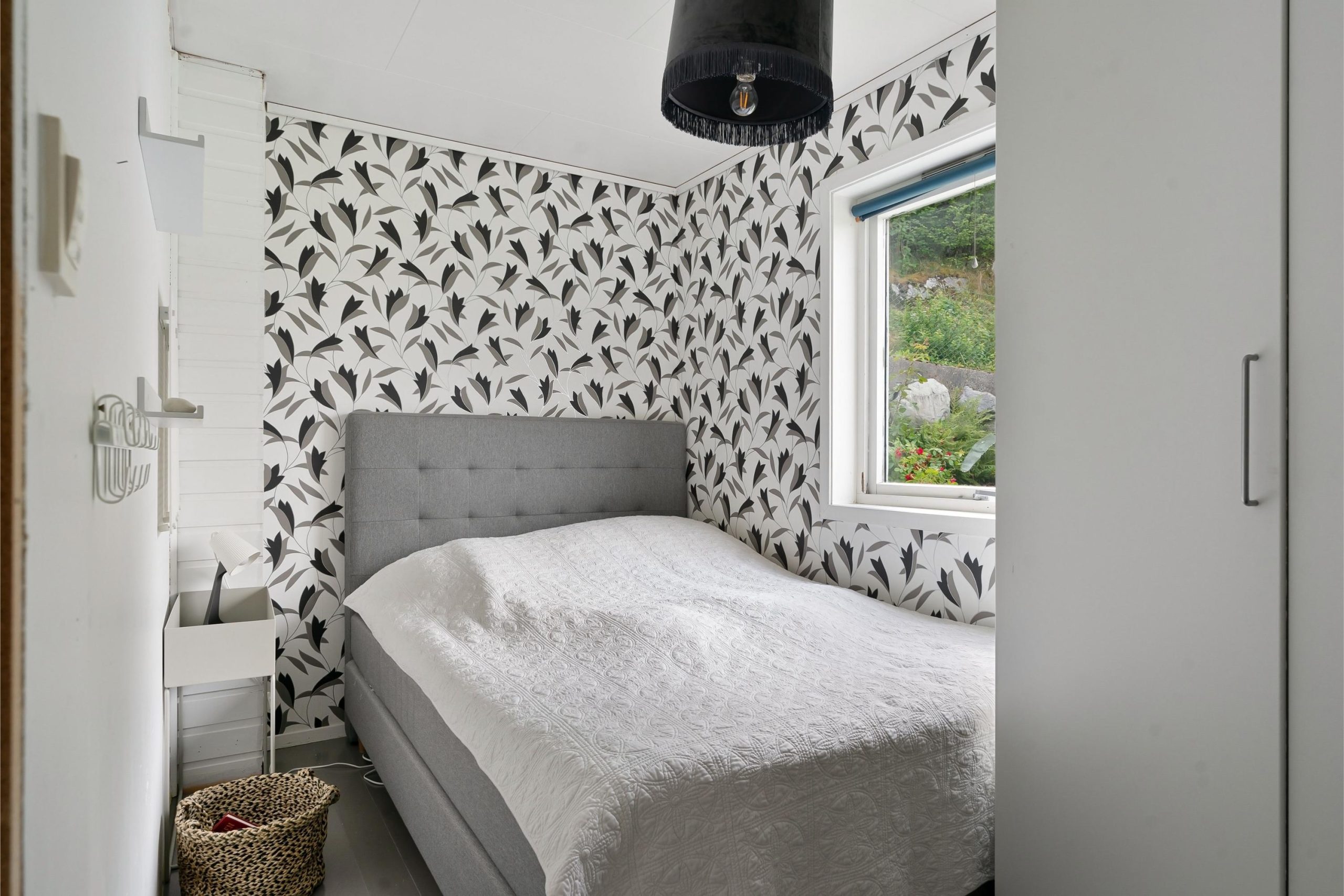
Once your layout and storage are set, it’s time to add personality. Textiles are an easy way to bring in color, pattern, and comfort without taking up space. Choose bedding in soft, coordinating colors, and layer a duvet, a throw blanket, and a few pillows for a hotel-style look. Stick to two or three main colors so the room feels calm instead of busy.
A rug can make a small bedroom feel finished and cozy. Choose one large enough that it extends at least 18 inches beyond the sides of the bed, or tuck it under the bottom two-thirds of the bed. A rug that’s too small can make the room feel choppy and smaller. Light-colored or subtly patterned rugs work well in tight spaces.
For wall decor, go for one large piece of art above the bed instead of lots of small frames, which can look cluttered. Vertical art and patterns can make ceilings feel taller. Add a small plant, like a pothos or snake plant, to bring in life and color. Keep decor on surfaces minimal so the room stays restful.
- Layer bedding in two or three coordinating colors.
- Choose a rug large enough to extend past the sides of the bed.
- Use one large art piece instead of many small frames.
9. Maximize Hidden Storage and Your Closet
A clutter-free room always looks bigger, so smart hidden storage is key. Start under the bed. Low, rolling bins or zippered bags can hold extra linens, seasonal clothes, or shoes. If your bed sits too low, bed risers can lift it a few inches to create more space underneath. A bed skirt or a duvet that hangs low keeps these bins out of sight.
Next, make your closet work harder. Add a second hanging rod below the first for shirts and pants, which can nearly double your hanging space. Use slim velvet hangers, which take up less room than bulky plastic ones and keep clothes from slipping. Shelf dividers, hanging organizers, and clear bins help keep folded items neat. Use the top shelf for items you rarely need, like holiday decor or spare bedding.
Inside dressers and nightstands, drawer dividers keep small items from turning into a jumbled mess. Try a simple rule: when something new comes in, something old goes out. This one-in, one-out habit helps your small bedroom stay organized long after the makeover is done.
- Use under-bed bins and bed risers for hidden storage.
- Add a second closet rod and use slim hangers.
- Use drawer dividers and follow a one-in, one-out rule.
Conclusion
A small bedroom doesn’t have to feel cramped or boring. By clearing clutter, planning your layout, and choosing light colors, you create a strong foundation for a space that feels open and calm. A space-smart bed, vertical storage, and furniture that does double duty help you fit everything you need without crowding the room.
The finishing touches make it feel like your own. Layered lighting, mirrors, high-hung curtains, cozy textiles, and a well-sized rug add style while making the room look larger. Hidden storage and simple habits keep it looking fresh over time.
You don’t have to do everything at once. Start with one change this weekend, like decluttering or swapping your curtains, and build from there. Little by little, your small bedroom can become a stylish, restful retreat that makes the most of every inch.