Most homeowners pay close attention to outdoor air quality alerts and municipal water reports, yet the environment inside four walls often harbors far higher concentrations of everyday irritants. Indoor air can accumulate dust mites, pet dander, mold spores, and volatile organic compounds from household products, while tap water can pick up sediment, chlorine byproducts, and trace metals as it travels through aging pipes. Left unchecked, these hidden factors quietly affect sleep quality, respiratory comfort, and daily hydration.
Fortunately, protecting your household does not require tearing down walls or buying expensive gadgets every season. Adopting a smart, preventative maintenance rhythm across your home’s mechanical and structural systems stops contaminants at the source. When you treat your property as an interconnected ecosystem where airflow, moisture control, and sanitation work together, routine upkeep becomes one of the most reliable investments you can make in your family’s well-being.
Optimize Your Climate Control Systems for Superior Airflow

Heating and cooling equipment functions as the respiratory system of a house, cycling thousands of cubic feet of air through living areas every single day. When filters clog or internal components accumulate grime, ductwork turns into a distribution network for pollen, fine particulate matter, and stale odors. Upgrading from basic fiberglass panels to high-efficiency pleated media rated at MERV 11 or higher captures microscopic allergens before they circulate back into bedrooms.
Seasonal professional care is equally essential for keeping conditioned air fresh and balanced. During warm months, moisture condenses naturally on cooling coils, creating a damp environment where biological growth flourishes if drain pans back up. Scheduling routine tune-ups with reputable ac repair services ensures evaporator coils are sanitized, condensate lines are cleared of algae, and refrigerant levels stay calibrated so indoor humidity remains below the threshold where dust mites and mold thrive.
Colder months introduce different indoor air hazards, particularly in homes heated by natural gas, propane, or oil. Cracked heat exchangers, soot buildup, or partially blocked exhaust flues can allow carbon monoxide and nitrogen dioxide to leak silently into living quarters. If an aging unit struggles to burn fuel cleanly or cycles erratically despite annual servicing, investing in a modern, high-efficiency furnace install with sealed combustion and variable-speed filtration dramatically improves both respiratory safety and winter comfort.
- Replace pleated HVAC filters every sixty to ninety days, or monthly during peak pollen seasons, wildfire smoke events, or indoor renovations.
- Vacuum supply registers and return air grilles with a HEPA-equipped brush attachment every quarter to stop settled dust from blowing back into rooms.
- Pour one cup of distilled white vinegar down the air conditioner condensate drain line each spring to inhibit biofilm buildup and musty odors.
- Test carbon monoxide detectors on every level of your home monthly and replace aging sensor units every five to seven years.
Safeguard Your Drinking and Cooking Water Sources
Even when municipal treatment plants meet federal safety benchmarks, water quality can change between the street main and your kitchen faucet. As water travels through distribution lines and household plumbing, it can absorb chlorine taste, pipe scale, rust, and trace heavy metals like lead or copper. Testing your tap water annually with a certified laboratory kit uncovers invisible contaminants that affect both flavor and long-term health. Once you have clear test results, consulting experienced water treatment services makes it straightforward to match targeted filtration—such as catalytic carbon blocks, water softeners, or under-sink reverse osmosis—directly to your home’s water chemistry.
Whole-house point-of-entry systems protect every tap, laundry machine, and showerhead, reducing chlorine vapor inhalation during hot showers and preventing mineral deposits from coating internal pipes. Still, filtration equipment only protects your household when media cartridges are replaced on schedule. Exhausted carbon filters lose their ability to trap impurities and can harbor bacteria if left in service past their rated gallon capacity.
Kitchen appliances that dispense or heat water require equally consistent hygiene habits to stay free of microbial buildup. Refrigerator ice makers, chilled water dispensers, and dishwashers operate in warm, damp conditions where mold and scale accumulate inside narrow tubing and rubber gaskets. If a refrigerator dispenser develops persistent off-flavors, cloudy ice, or sluggish pressure even after a fresh cartridge swap, calling qualified appliance repair services to inspect internal water inlet valves and replace scaled tubing restores clean, crisp hydration.
- Flush refrigerator water dispensers for three full minutes after installing a new filter cartridge to clear loose carbon fines and trapped air pockets.
- Run an empty dishwasher cycle once a month with two cups of white vinegar placed in a bowl on the top rack to dissolve scale and sanitize spray arms.
- Inspect braided stainless-steel supply lines behind refrigerators and under kitchen sinks twice a year for kinks, corrosion, or slow weeping at fittings.
- Write installation dates directly on whole-house filter canisters and under-sink cartridges with a permanent marker so replacement intervals never slip.
Seal the Building Envelope Against Moisture and Mold

Clean indoor air depends heavily on keeping outdoor moisture out of structural cavities. Your roof serves as the primary barrier against rain, snowmelt, and wind-driven storms, yet minor vulnerabilities often go unnoticed until stains appear on upstairs ceilings. Missing shingles, cracked rubber vent boots, and corroded chimney flashing allow rainwater to trickle into attic insulation, creating a dark, humid incubator for mold spores that eventually migrate into living areas through recessed lights and ceiling vents.
Proactive exterior inspections every spring and autumn catch small breaches long before they degrade interior air quality. Hiring licensed roofers to evaluate shingle granules, reseal flashing joints, and verify balanced soffit-to-ridge attic ventilation keeps roof decking dry and prevents winter ice dams from forcing meltwater beneath the eaves. Steady attic airflow also exhausts trapped summer heat and rising household humidity that would otherwise condense on cool rafters.
When severe storms, burst pipes, or leaking windows introduce water indoors, response speed determines whether you face a simple drying job or a widespread air quality problem. Mold spores can begin colonizing damp drywall, carpet padding, and wood framing within twenty-four to forty-eight hours. Rather than painting over stains or setting up a small fan, engaging professional water damage restoration specialists ensures hidden wall cavities are mapped with moisture meters, dried with commercial dehumidifiers, and treated properly before airborne spores circulate indoors.
- Clean gutters and downspouts twice a year and attach downspout extensions that discharge rainwater at least six feet away from foundation walls.
- Inspect attic rafters and insulation after major windstorms using a bright flashlight to look for dark water trails, damp matting, or daylight peeking through seams.
- Caulk exterior window frames, siding joints, and utility pipe penetrations every autumn with high-grade silicone sealant to block wind-driven rain infiltration.
- Monitor basement and crawlspace humidity with a digital hygrometer and run a dedicated dehumidifier whenever indoor relative humidity rises above fifty percent.
Maintain Unobstructed Plumbing for Sanitary Water Flow
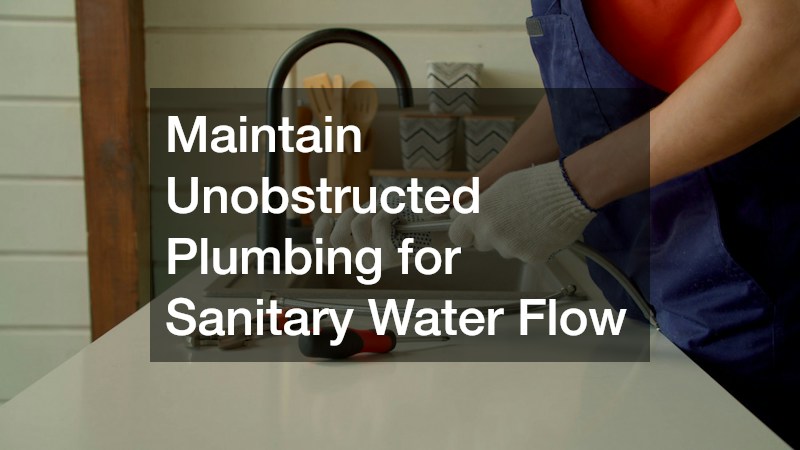
Healthy residential plumbing relies on two pathways working in harmony: pressurized supply pipes delivering clean water in, and gravity-fed drain lines carrying wastewater and sewer gases safely out. Over time, hair, cooking grease, soap scum, and organic debris cling to drainpipe walls, forming a slimy anaerobic layer that breeds bacteria and emits unpleasant sulfur odors back through sink and shower openings. Additionally, dry or blocked P-traps can lose their protective water seal, allowing sewer gases and airborne pathogens to drift directly into bathrooms and kitchens.
Relying on harsh chemical drain openers frequently makes matters worse by corroding older metal pipes, softening plastic joints, and releasing caustic fumes into indoor air without clearing deep obstructions. Mechanical maintenance and biological enzyme care protect both pipe integrity and household air quality. When multiple fixtures gurgle simultaneously or stubborn blockages resist plunging, partnering with experienced drain cleaning companies that use fiber-optic camera inspections and high-pressure hydro-jetting removes deep grease buildup and root intrusions safely without toxic chemical residues.
- Place fine-mesh stainless-steel drain strainers in every kitchen sink, bathtub, and shower stall to capture hair and food scraps before they enter the trap.
- Pour a gallon of fresh water down little-used guest bathroom sinks, basement floor drains, and utility tubs monthly to keep P-trap water seals from evaporating.
- Flush kitchen drains monthly with a kettle of hot water followed by a natural enzyme drain cleaner to digest organic buildup without corrosive vapors.
- Drain several gallons of water from your water heater’s bottom sediment valve once a year to prevent rust flakes and mineral grit from entering hot water lines.
Sanitize High-Traffic Surfaces to Reduce Indoor Pollutants
The surfaces where you prepare meals and walk every day act either as hygienic barriers or as hidden reservoirs for indoor pollutants. In the kitchen, countertops come into direct contact with raw ingredients, drinking glasses, and rinsed produce. Natural stone surfaces such as granite, marble, and soapstone contain microscopic pores that absorb spilled liquids, cooking oils, and foodborne bacteria once their protective finish wears down, creating sanitation blind spots that ordinary dish soap cannot reach.
Testing stone porosity takes less than ten minutes: place a few drops of water near the sink, and if the stone darkens as moisture soaks in, contaminants can penetrate beneath the surface. Scheduling periodic maintenance with professional countertop services to deep-clean, hone, and apply penetrating, food-safe impregnating sealers restores a non-absorbent barrier that resists bacterial growth and eliminates the need for harsh, fume-heavy disinfectants during daily meal preparation.
Underfoot, flooring choices heavily influence how much dust, pollen, pesticide residue, and pet dander remain suspended in the air you breathe. Wall-to-wall carpeting traps fine particulate matter deep inside fibers, releasing clouds of allergens with every footstep. Solid wood flooring provides a cleaner alternative when its protective topcoat remains intact, preventing dirt from settling into open grain or worn seams. Working with skilled hardwood flooring services to screen and recoat scuffed traffic lanes using low-VOC waterborne finishes preserves a smooth, hypoallergenic surface that captures dust effortlessly during routine damp mopping.
- Enforce a shoes-off habit at exterior doors and place washable walk-off mats inside and outside entryways to trap tracked-in soil, pollen, and heavy metals.
- Wipe stone countertops daily using a pH-neutral stone cleaner or warm water with a drop of mild dish soap instead of acidic vinegar or bleach.
- Clean wood floors with a slightly damp microfiber pad and a zero-residue wood floor cleaner rather than soaking wet string mops that force moisture into seams.
- Choose fragrance-free, low-VOC household cleaning sprays to prevent synthetic scents from reacting with indoor air to form secondary respiratory irritants.
Ventilate and Secure Utility and Storage Spaces

Attached garages, laundry rooms, and mechanical closets frequently store the highest concentrations of chemical irritants in a home, yet they often receive the least airflow. Lawn equipment, fuel cans, paint thinners, pool supplies, and cooling vehicle engines release carbon monoxide, benzene, and volatile organic compounds that easily seep into adjacent hallways and bedrooms. Whenever a kitchen range hood, clothes dryer, or bathroom exhaust fan operates, it creates slight negative pressure indoors that pulls air through tiny cracks around utility doors and electrical outlets.
Establishing a tight physical seal between storage zones and living spaces while maintaining proper exterior ventilation stops fumes from migrating indoors. Perimeter weatherstripping and a flexible bottom seal along the main overhead bay door also prevent windblown dust, exhaust fumes, and damp outdoor air from entering the garage. Calling a reputable garage door company to realign tracks, replace brittle bottom rubber seals, and calibrate opener tension ensures the overhead door closes flush against the concrete floor without drafts or gaps.
- Install heavy-duty silicone weatherstripping and an automatic door sweep on the interior connecting door between an attached garage and the main house.
- Store paints, solvents, pesticides, and fuel containers inside tightly sealed metal cabinets or a detached outdoor shed rather than near HVAC air handlers.
- Run an exhaust fan or crack a window whenever operating laundry appliances, utility sinks, or workshop tools in enclosed spaces to vent moisture and fumes outside.
Clean indoor air and pure household water are rarely achieved through a single major renovation; they are the steady payoff of thoughtful, preventative care across the systems that shelter, heat, cool, and hydrate your home. By keeping filters fresh, moisture sealed out, drains clear, and high-touch surfaces properly maintained throughout the seasons, you intercept allergens, chemicals, and microbial growth before they ever impact your daily comfort.
You do not need to overhaul your entire maintenance routine in a single weekend to notice a difference. Walk through your home today to check HVAC filter dates, test how quickly sinks drain, and inspect around windows and utility doors for drafts or damp spots. Completing just two small preventative tasks each month builds a cleaner, healthier indoor environment that rewards your household with fresher air and purer water all year long.