
Homeownership is a journey that quickly evolves from basic ongoing upkeep to strategic property investment. In the early years of owning a house, most homeowners spend their time reacting to unexpected breakdowns—fixing a dripping faucet, patching a cracked fence picket, or replacing a burnt-out light fixture. Over time, a shift occurs. Smart property owners transition from a purely reactive mindset to a proactive strategy focused on long-term value, structural protection, and enhanced daily living comfort.
Achieving a high-performing, beautiful, and resilient property requires looking at your house as an interconnected system. The roof and exterior structure protect your living space from weather elements; the underground drainage and foundation systems support structural stability; and the internal utilities ensure everyday health and comfort. Neglecting one area eventually compromises another.
Upgrading a residence isn’t merely about cosmetic improvements like a fresh coat of paint. It involves hiring specialized expertise to fortify, restore, and expand your living space. This deep-dive guide explores essential expert services that transform ordinary properties into durable, comfortable, and high-value homes.
Backyard Oasis & Outdoor Living Architecture

Transforming Raw Yard Space into Functional Living Areas
The modern backyard is no longer just a patch of grass for pets or occasional weekend mowers; it has become a seamless extension of the interior footprint. Creating a comfortable outdoor room requires careful layout planning, shade management, and proper material selection. When planning an outdoor structure, evaluate how sunlight moves across your lawn throughout the day. Installing a dedicated shade feature transforms an unusable, sun-scorched patio into a multi-use area for outdoor dining, remote work, or evening relaxation.
- Material Selection: Choose between natural cedar for a rich, organic aesthetic or low-maintenance composite materials that resist rotting, warping, and insect damage.
- Structural Anchoring: Ensure posts are set deep into concrete footings below the frost line to prevent shifting during freeze-thaw cycles.
- Integrated Comfort Features: Consider adding ceiling fan mounts, integrated low-voltage LED lighting, or privacy louvers to maximize utility during hot summer days or breezy evenings.
Building an architectural shade structure often requires local building permits and careful load calculations to withstand wind and snow. Partnering with a custom pergola installer ensures your structure meets local building codes while complementing your home’s exterior architectural style.
Designing Resort-Style Aquatic Experiences at Home
Integrating a permanent water feature into your landscape is one of the most transformative property improvements possible, dramatically increasing curb appeal and recreational enjoyment. However, building an in-ground aquatic feature requires precise engineering, soil evaluation, and advanced plumbing planning.
- Soil Evaluation & Excavation: Soil composition dictates how footings are set and whether additional reinforced retaining walls are needed to prevent ground shifting.
- Water Filtration & Circulation: Modern installations favor variable-speed pumps and salt-chlorine generators, which lower electricity consumption and minimize harsh chemical handling.
- Aesthetic Integration: Incorporate natural stone coping, cascading water shear descents, or beach entries to make the installation look naturally integrated into the surrounding landscape.
Because of the extreme weight, complex piping, and high electrical loads required for aquatic installations, hiring an experienced custom pool builder is essential. They coordinate sub-grade structural work, utility tie-ins, and local safety code compliance, saving you from catastrophic structural leaks or costly retrofits later.
Actionable Homeowner Tips
- Conduct a Shade Path Audit: Use a daylight-tracking smartphone app or spend a sunny Saturday marking light patterns across your yard before deciding where to locate outdoor structures.
- Plan Utility Lines Early: If you envision gas fire pits, outdoor sinks, or high-amp electrical outlets near your pool or lounge area, run underground conduits before pouring concrete or laying pavers.
Storage Solutions & High-Performance Surfaces
Optimizing Outbuildings for Utility, Storage, and Workspaces
Garages and basements frequently become cluttered dumping grounds for seasonal gear, tools, and household overflow. A dedicated accessory outbuilding solves this issue, freeing up prime interior real estate while creating functional space for hobbies or remote work.
- Foundation Options: Concrete slabs provide a permanent, heavy-duty floor suitable for riding mowers and machinery, while treated timber skids work well for lighter storage needs on level ground.
- Climatic Conditioning: Adding insulation, vapor barriers, and mini-split HVAC units allows outbuildings to double as comfortable home offices, art studios, or fitness rooms.
- Architectural Matching: Match the siding, roof pitch, and shingle color of your main house to maintain cohesive property aesthetics and increase overall property equity.
Working with a professional shed company streamlines the process from site preparation and municipal permitting to framing and weatherproofing, ensuring your outbuilding withstands decades of weather exposure.
Upgrading Garage Floors and High-Traffic Concrete Spaces
Bare concrete floors in garages, basements, and utility rooms are prone to staining, cracking, and generating fine silica dust as the surface wears down under foot and vehicle traffic. A surface coating transforms gray, porous concrete into a seamless, stain-resistant surface that cleans up easily.
- Surface Preparation: Long-lasting adhesion requires mechanical diamond grinding or shot-blasting to open up concrete pores, rather than quick acid etching.
- Layering System: Premium systems apply a moisture-blocking primer coat, a durable broadcast color flake layer for traction, and a clear topcoat that resists hot-tire pickup, UV yellowing, and chemical spills.
- Maintenance Simplicity: Sealed surfaces stop dust creation and can be swept or mopped clean without absorbing oils, road salt, or automotive fluids.
Applying a high-solids polyaspartic or multi-layer epoxy coating ensures heavy floor areas handle floor jacks, heavy storage racks, and vehicle traffic without flaking or peeling over time.
Actionable Homeowner Tips
- Perform a Moisture Test: Tape a 2×2-foot sheet of clear plastic tightly onto your concrete floor for 24 to 48 hours. If condensation forms underneath, address underlying ground moisture before applying surface coatings.
- Dry-Fit Outbuildings with Tape: Before building or installing an outbuilding, outline its dimensions on the lawn using painter’s tape or landscaping spray paint to visually check scale and clearance from property boundaries.
Sub-Grade Upgrades & Environmental Remediation
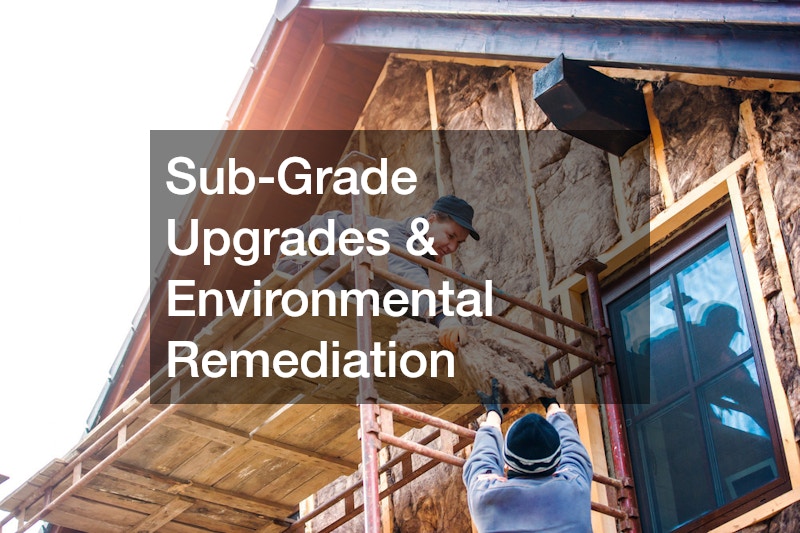
Unlocking Unused Square Footage Below Grade
Finishing or upgrading an unfinished lower level is one of the most cost-effective ways to increase livable space without expanding your roof footprint. Lower-level renovations can host home theaters, guest suites, gym space, or playrooms. However, underground spaces require specialized moisture management, structural framing, and safety exits.
- Waterproof Membranes: Before hanging drywall, resolve any perimeter seepage using interior drainage channels and high-capacity sump pump systems.
- Thermal Insulation: Rigid foam board insulation applied directly to foundation walls prevents thermal bridging and keeps lower levels comfortable year-round.
- Egress Compliance: Sleeping quarters in sub-grade spaces require properly sized egress windows and well wells to meet safety codes for emergency escapes.
Experienced basement contractors understand local building codes, structural support requirements, and mechanical routing needed to turn dark storage areas into bright, safe living quarters.
Addressing Air Quality & Health Hazards Behind the Walls
Sub-grade and enclosed moisture-prone spaces create ideal breeding grounds for biological contaminants. Uncontrolled moisture caused by subtle foundation cracks, high relative humidity, or plumbing leaks can rapidly rot timber framing and contaminate indoor air.
- Containment Protocols: Professional remediators isolate affected zones using plastic sheeting and negative air pressure machines to prevent spores from spreading through HVAC ducts during cleanup.
- Structural Material Removal: Porous drywall, carpet padding, and insulation affected by water must be safely stripped and disposed of according to environmental guidelines.
- Antimicrobial Surface Treatment: Non-porous framing timber is scrubbed, treated with EPA-registered fungicides, and sealed to block future growth.
When health risks or extensive water damage occur, engaging a certified mold removal specialist ensures the root cause of moisture is identified, remediated safely, and verified through air quality testing.
Actionable Homeowner Tips
- Check Downspout Runoff: Extend gutter downspouts at least six to ten feet away from foundation walls to keep rainwater from collecting around sub-grade structures.
- Monitor Indoor Humidity: Install digital hygrometers on lower levels to keep relative humidity below 50 percent, preventing condensation on cool wall surfaces.
Whole-Home Hydronics & Emergency Water Systems
Maintaining Reliable Indoor Water Line Infrastructure
Pressurized water supply lines and waste drains quietly power every bathroom, kitchen, and laundry room in your residence. Over years of use, supply lines degrade due to high municipal water pressure, hard mineral buildup, or corrosion in legacy galvanized piping.
- Pressure Regulating Valves: Keep incoming household water pressure between 40 and 60 PSI to protect delicate appliance valves, water heaters, and fixture seals from premature wear.
- Modern Material Retrofits: Replacing failing copper or galvanized lines with flexible PEX piping speeds up installation, improves thermal efficiency, and reduces freeze-burst risks in cold climates.
- Shut-Off Valve Inspections: Ensure individual fixture shut-off valves function properly so you can isolate water lines during emergency repairs without shutting off supply to the whole house.
Partnering with a reliable plumbing service guarantees that major water line updates, water heater installs, and valve repairs follow strict safety codes and protect your interior from catastrophic water damage.
Ensuring Efficient Winter Heating and Boiler Longevity
For properties using hydronic radiant heating or cast-iron radiators, the boiler is the heart of winter comfort. Unlike forced-air furnaces, hydronic systems rely on circulating hot water or steam, requiring specific maintenance routines to run safely and efficiently.
- System Flushing & Descaling: Flushing mineral deposits out of the heat exchanger improves thermal transfer efficiency and prevents noisy boiling sounds within the system.
- Expansion Tank Inspection: Verifying the internal air cushion inside the expansion tank prevents dangerous pressure spikes when heating water expands.
- Combustion Efficiency Calibration: Cleaning burner tubes and inspecting venting flues ensures natural gas or oil burns cleanly without producing toxic carbon monoxide gas.
Scheduling annual maintenance with a licensed local boiler repair technician keeps heating equipment operating smoothly during freezing months while catching small component failures before they cause mid-winter heating outages.
Actionable Homeowner Tips
- Locate and Test the Main Shut-Off Valve: Show every family member where the main water valve enters the house and test it annually so everyone knows how to turn off the water during a burst-pipe emergency.
- Bleed Radiators in Autumn: If your hot water radiators feel cold at the top while hot at the bottom, use a key to open the air bleed valve until water drips out, removing trapped air pockets.
Indoor Environmental Health & Wastewater Flow

Eliminating Persistent Odors at the Molecular Level
Mysterious, lingering odors inside a home are often symptoms of hidden mechanical, moisture, or drainage issues. Trying to mask persistent smells with heavy air fresheners or scented sprays only hides the underlying problem without addressing air health.
- Sewer Gas Diagnostics: Dry P-traps, cracked vent stacks, or deteriorated toilet wax rings allow dangerous hydrogen sulfide gas to leak into living areas.
- HVAC & Duct Sanitization: Moisture buildup inside air handlers creates organic growth that spreads sour smells throughout the home whenever heating or cooling units turn on.
- Thermal and Smoke Testing: Professionals use artificial smoke generators and thermal imaging cameras to pinpoint hidden gaps behind drywall or inside floor joists where smells originate.
Hiring a trained odor control service identifies the underlying source of indoor air contamination, using specialized ozone machines, hydroxyl generators, or deep sanitization to permanently restore fresh air.
Restoring Flow and Preventing Major Main-Line Backups
The main lateral sewer line running beneath your lawn carries all home wastewater toward the municipal sewer or private septic tank. Over decades, tree roots seek out microscopic cracks in underground pipes, blocking flow and leading to messy, unhygienic sewage backups inside lower-level drains.
- Camera Inspections: Feeding a high-definition video camera through main sewer lines reveals crushed pipes, bellied lines, grease dams, or invasive tree roots without digging up the lawn.
- Hydro-Jetting: High-pressure water blasting cleans grease, scale, and organic debris off pipe walls, restoring original drainage capacity far better than mechanical snaking.
- Trenchless Pipe Lining: Cured-in-place pipe lining seals old cast-iron or clay pipes from the inside, extending service life without tearing up driveways or landscaping.
Routine main-line maintenance from a skilled drain cleaning company removes blockages before they back up into basement drains, keeping your home’s wastewater system running smoothly.
Upgrading Your Home With These Tips

Investing in your home requires balancing decorative upgrades with essential functional improvements. While fresh kitchen tiles or modern light fixtures are visually rewarding, structural integrity, proper drainage, dependable heating, and healthy indoor air form the true foundation of property value and daily comfort.