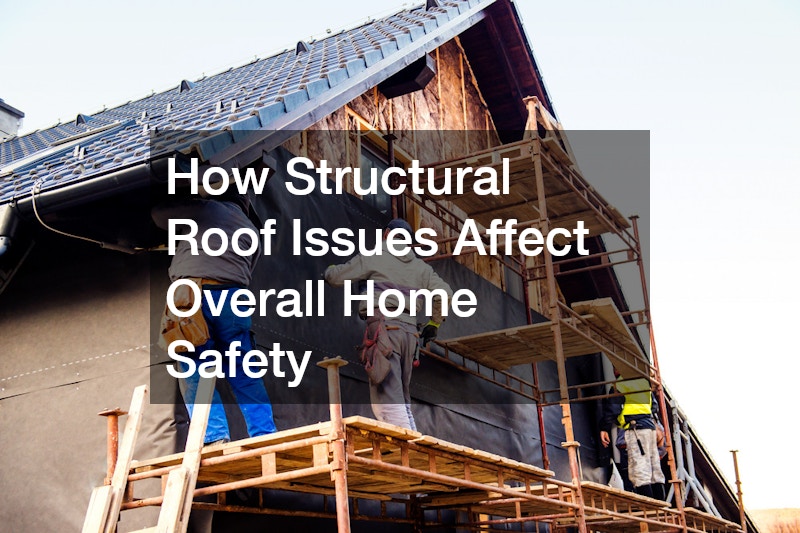
Structural roof problems can influence far more than just the appearance of a home; they have far-reaching implications for safety, comfort, and long-term financial stability. A compromised roof can significantly affect how safe a home feels for its occupants, as it plays a crucial role in protecting against the elements. During storms, a roof that is improperly maintained or has hidden issues may fail to withstand high winds or heavy rainfall, leading to leaks, water damage, or even structural failure.
When issues originate in the roof system, they often do not remain isolated. Instead, they can gradually infiltrate other areas of the home. Water intrusion, for instance, can seep into walls and insulation, creating an environment conducive to mold growth, which poses health risks. Over time, even minor leaks can lead to significant damage in structural components such as rafters, trusses, and ceilings, resulting in costly repairs.
This guide aims to delve deeper into the potential consequences of neglecting roof maintenance and repairs. Each section highlights different components of the roof system—such as shingles, flashing, gutters, and ventilation—and explains how seemingly small weaknesses can escalate into larger risks if not addressed promptly. For instance, failing to replace damaged shingles can lead to water penetration, while improperly installed flashing can create gaps where leaks can form. Similarly, clogged gutters may cause water to overflow, damaging both the roof and the foundation.
Understanding these risks is crucial for homeowners. Proactive maintenance not only enhances the lifespan of a roof but also contributes to overall home safety. The guide provides insight into regular inspection practices, common warning signs of roof damage, and recommendations for timely repairs, empowering homeowners to take informed action and protect their homes from the ground up.
Early Warning Signals Inside the Roof Structure
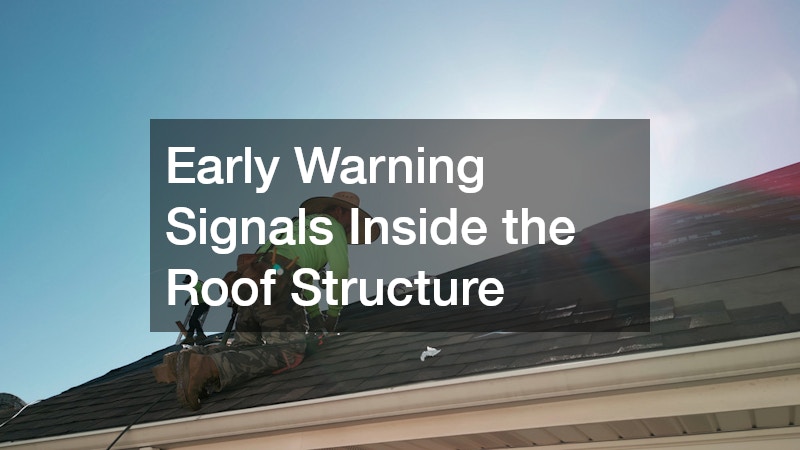
One of the first areas affected by roof problems is the internal support system. When this framework weakens, the rest of the home starts losing stability.
A roof inspection helps reveal early issues that are not visible from the ground. Many homeowners assume leaks are the first sign, but structural stress often appears long before water enters the home. Small shifts, sagging areas, or uneven roof lines can point to deeper concerns.
The internal support framework plays a major role in weight distribution. When it becomes compromised, pressure spreads unevenly across the home, increasing safety risks during storms or heavy snowfall.
Common warning signs include:
- Slight dips or uneven roof surfaces
- Cracking sounds during temperature changes
- Doors or windows are sticking unexpectedly
- Visible stress in attic framing
- Increased energy loss in upper rooms
When these signals appear, a trained evaluation is needed before damage spreads further.
Professional Assessment and Local Support Options
Homeowners often rely on experienced professionals to assess roof conditions and recommend next steps. Choosing help early can prevent minor issues from turning into structural failures.
Many local roofing companies offer inspections that focus on identifying hidden damage within the roof system. A roofing contractor typically evaluates both surface materials and internal support areas to determine overall stability.
This stage matters because structural issues are not always visible without proper training or equipment. Even small misalignments in framing or decking can lead to long-term safety concerns.
Key benefits of early professional support:
- Identifies hidden weak points before they worsen
- Helps prevent emergency repairs during storms
- Reduces long-term repair costs
- Improves overall home safety planning
- Extends the life of the roof system
A qualified assessment helps determine whether immediate reinforcement or monitoring is needed.
Repair Needs and On-Site Craftsmanship

Once structural concerns are identified, repair work becomes the next priority. Addressing damage early can stop it from spreading into other parts of the home.
Roof repair work often includes replacing damaged decking, reinforcing weak areas, or correcting alignment issues in the structure. Roofers play a key role in restoring stability by focusing on both visible damage and underlying causes.
If left untreated, structural roof problems can lead to:
- Interior ceiling collapse risks
- Water intrusion into electrical systems
- Mold growth in attic spaces
- Reduced structural load capacity
- Increased vulnerability during storms
Repair work may also involve strengthening support beams or replacing sections weakened over time. These corrections help restore balance and reduce safety risks inside the home.
Timely intervention is the difference between manageable repairs and major structural rebuilding.
Exterior Systems and Material Integration
The roof does not function alone. It works closely with exterior materials that protect the home from weather exposure and temperature shifts. When these systems fail to align properly, structural stress increases.
Siding suppliers provide materials that help protect the home’s outer layers from moisture and wind. At the same time, metal roofing supplies are often used to improve durability in areas exposed to heavy weather conditions.
When roof and exterior systems do not work together properly, issues can develop, such as:
- Water penetration at roof-wall intersections
- Warping of exterior surfaces
- Increased heat transfer into attic spaces
- Accelerated structural wear
- Uneven load distribution along walls
Maintaining consistency between roofing and siding systems is key to keeping the entire structure stable. Even small gaps or mismatches can create long-term safety concerns.
Advanced Structural Strength and Long-Term Solutions
Some homes require deeper structural reinforcement, especially if the roof system has aged or experienced repeated damage. In these cases, stronger framing and upgraded materials become necessary.
Residential trusses are often used to support roof weight more evenly across the structure. They help distribute loads and reduce stress points that could lead to collapse or deformation.
In addition, certain roofing materials offer stronger long-term performance. Slate roofing is known for its durability and resistance to weather-related wear, making it a reliable option for long-term structural support.
Homes that undergo reinforcement or material upgrades often experience:
- Improved load-bearing strength
- Reduced risk of sagging or shifting
- Better resistance to wind uplift
- Longer service life for roof systems
- More stable interior conditions
Strengthening the core structure of the roof helps protect the entire home from progressive damage.
Full-System Renewal and Long-Term Stability
When structural damage becomes widespread, partial repairs may not be enough. In these situations, a complete renewal of the roof system is often recommended.
Roof restorations involve rebuilding or reinforcing major components to bring the structure back to a stable condition. This process may include replacing damaged framing, updating materials, and correcting long-standing structural issues.
A full restoration can address:
- Long-term water damage effects
- Widespread structural weakening
- Poor previous construction work
- Aging materials that no longer perform safely
- Repeated repair cycles that no longer hold
Unlike small repairs, restorations focus on the entire system. This approach helps prevent recurring safety issues and provides a more stable structure moving forward.
Weather Pressure and Long-Term Structural Strain
Weather is one of the most consistent forces affecting roof stability. Over time, repeated exposure to wind, rain, snow, and heat causes gradual weakening that may not be obvious at first.
Moisture entering small gaps slowly affects framing. Freeze and thaw cycles widen those gaps, while wind can shift materials just enough to reduce alignment.
Key environmental stress factors include:
- Heavy rain saturation in weak points
- Wind uplift loosens the outer layers
- Snow load pressure on aging structures
- Heat expansion is causing material movement
- Rapid temperature swings weaken joints
When these conditions repeat, internal structure strength declines. Small weaknesses expand into major concerns that affect safety.
Hidden Interior Risks and Home Safety Concerns
Structural roof problems often create secondary issues inside the home. These issues may not appear immediately, but can impact safety and comfort.
Moisture intrusion is one of the earliest concerns. Even small leaks can lead to mold growth in insulation or wall cavities. Electrical systems may also be affected if water reaches wiring.
Interior warning signs include:
- Uneven or sagging ceilings
- Paint bubbling or discoloration
- Musty odors in the upper floors
- Temperature inconsistencies
- Increased humidity in attic spaces
When framing shifts, the interior reflects those changes. Ignoring these signs can lead to reduced air quality and higher safety risks.
Financial Impact of Delayed Structural Action
Delaying roof structural repairs often leads to higher costs. Small issues grow into larger ones that require more extensive work.
Cost escalation typically follows this path:
- Minor surface repairs
- Localized structural reinforcement
- Multi-area restoration
- Full roof replacement
As damage spreads, labor and material needs increase. Energy efficiency also drops, raising utility costs over time.
Key cost drivers include:
- Extent of hidden structural damage
- Length of time before repair
- Weather exposure during deterioration
- Complexity of framing issues
- Material replacement requirements
Early action reduces long-term financial strain and limits repair scope.
Ongoing Care and Prevention Strategy
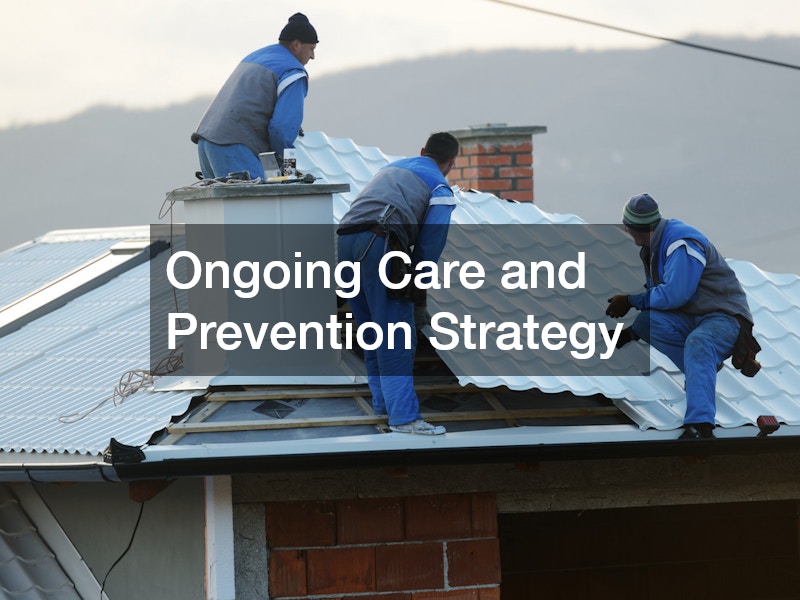
Preventing structural roof issues requires consistent attention and proactive measures to safeguard your home. A steady maintenance approach not only helps protect the safety of your living space but also minimizes the likelihood of unexpected and costly repairs. Here are some practical habits to consider in your roof maintenance routine:
1. Checking Attic Spaces for Moisture or Light Entry: Regularly inspect your attic for any signs of moisture, such as water stains or mold growth. Additionally, look for any cracks or holes that might allow light to enter. Entry of light can indicate potential leaks, which should be addressed immediately to prevent further damage.
2. Watching Roof Lines for Uneven Areas: Take a close look at the roof lines from both the ground and any upper floors. Uneven areas could signal sagging or structural instability. If you notice any dips or abnormal contours, it’s important to have them evaluated by a professional to determine the underlying cause.
3. Clearing Debris That Traps Moisture: Regularly remove leaves, branches, and other debris from your roof and gutters. Clogged gutters can lead to water pooling, which may seep into the roof structure and result in rot or leaks. Keeping these areas clear helps ensure proper water drainage and reduces the risk of moisture-related issues.
4. Monitoring Ceilings for Changes: Keep an eye on the ceilings within your home, especially in areas directly below your roof. Look for any signs of discoloration, bubbling, or sagging, which could indicate that water is finding its way through the roof structure. Early detection can prevent more extensive repairs later on.
5. Scheduling Periodic Professional Evaluations: While self-inspections are valuable, nothing beats a thorough professional evaluation by a qualified roofing contractor. Consider scheduling annual inspections to assess the condition of your roof and receive expert advice on preventive measures that could prolong its lifespan.
Routine care helps catch problems early, allowing homeowners to address minor issues before they escalate into major repairs. This commitment to maintenance not only enhances the lifespan of the roof but also reduces stress on structural components over time.
Remember, prevention works best when it is consistent. Engaging in small checks on a regular basis can significantly reduce the risk of large-scale damage in the future. By adopting a proactive approach, you can ensure the long-term integrity of your roof and the safety of your home.
Closing Perspective
Structural roof issues directly affect how safe and stable a home feels. The roof is a home’s first line of defense against the elements, and even minor problems can lead to significant consequences if not addressed. Small warning signs, such as discoloration, sagging, missing shingles, or water stains on ceilings, can grow into serious risks, including leaks, mold growth, and structural damage. These issues not only compromise the integrity of the home but also influence everything from interior conditions to storm resistance.
A combination of early detection, timely repair, and long-term care is essential for maintaining a secure home environment. Regular inspections, especially after severe weather events, can help catch potential problems before they escalate. This proactive approach allows homeowners to identify and address issues such as weak rafters, inadequate ventilation, or wear and tear from aging materials.
Addressing issues early not only protects the safety of the household but also helps preserve long-term property value. Homes with well-maintained roofs are more attractive to buyers and can command higher prices in the market. Additionally, a sturdy roof minimizes the risk of costly repairs down the line, contributing to overall financial stability.
Ultimately, prioritizing roofing care reinforces the home’s structural integrity and ensures a safe haven for families. This commitment to proactive maintenance fosters peace of mind, allowing homeowners to focus on creating lasting memories in a secure and stable environment.