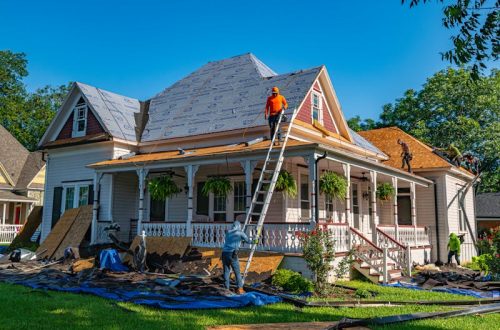
Home modernization often doesn’t start with visible changes. Renovation shows compress complex work, causing homeowners to misprioritize. We imagine homes with sleek countertops and open areas. However, focusing only on cosmetics while ignoring underlying systems can be problematic. Painting over walls with poor wiring or installing cabinets over bad plumbing is wasted effort. Modern living demands more from older structures. Energy, water, and climate consumption have changed. Smart appliances and energy-efficient living need infrastructure that older homes lack. True modernization starts with utilities—electrical, plumbing, and climate control—then structural foundations and aesthetic finishes like paint and decor.
Upgrading Your Electrical Framework for the Modern Era
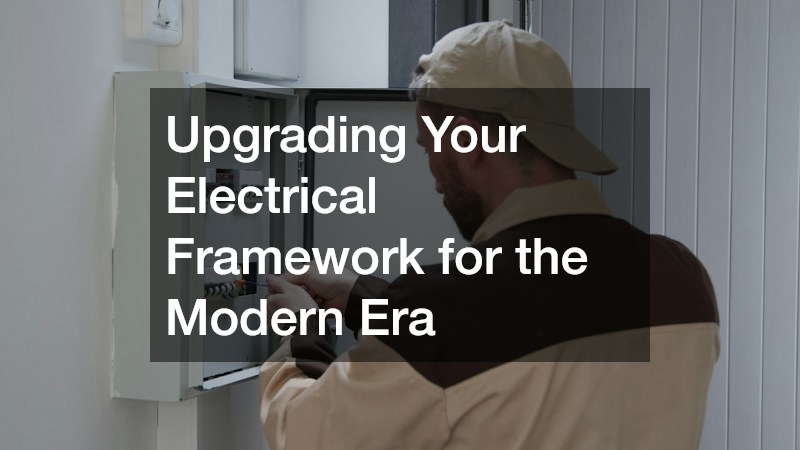
The electrical panel is the beating heart of your home’s infrastructure. In the mid-to-late twentieth century, a 100-amp electrical service panel was considered more than sufficient to run a standard household. Today, that same capacity is easily overwhelmed by the basic requirements of a modern family. Think about the devices that run simultaneously on any given evening: multiple high-definition televisions, a refrigerator, a dishwasher, desktop computers, gaming consoles, a central air conditioning unit, and perhaps an electric vehicle plugged in the garage.
Before introducing any smart home technology or heavy-duty modern appliances, you must calculate your daily amperage needs. This involves auditing your current energy usage and projecting your future needs. If your home still operates on a 60-amp or 100-amp panel, upgrading to a 200-amp service is one of the most critical modernization steps you can take. However, simply swapping out the box is rarely the end of the process. Often, extensive electrical repairs are necessary because the existing wiring inside the walls may be degraded, improperly grounded, or simply not rated to carry the load of a newly upgraded panel safely.
Beyond the main panel, modernizing your electrical framework requires mapping out and installing dedicated circuits for high-draw zones. A dedicated circuit has its own circuit breaker in your electrical box and is intended for use with a single appliance or a specific, high-demand area.
- Home Offices: The shift to remote work means home offices now house multiple monitors, high-powered desktop computers, heavy-duty printers, and network servers. Placing all these on a shared circuit with the living room lighting is asking for constant breaker trips.
- Kitchen Sculleries and Islands: Modern kitchens utilize high-draw small appliances like air fryers, commercial-grade blenders, and espresso machines. Dedicated 20-amp circuits ensure these devices operate safely without dimming the lights in the next room.
- Entertainment Hubs: Home theaters with immersive audio systems and large displays require clean, uninterrupted power.
Attempting to wire these dedicated lines yourself is incredibly dangerous and often illegal depending on local building codes. It is imperative to secure professional electrician services to evaluate your home’s unique layout, safely map these new routes, and pull the appropriate wire gauges through your walls to bring your home up to modern safety standards.
Optimizing Plumbing Infrastructure for Efficiency and Flow

Much like the electrical system, your home’s plumbing network operates entirely behind the scenes until something goes wrong. Older homes often rely on galvanized steel or copper piping. Galvanized steel is notorious for corroding from the inside out, restricting water flow and introducing rust into your drinking water. While copper is highly durable, it can develop pinhole leaks over decades of use, especially in areas with highly acidic or hard water.
To modernize your water delivery, transitioning to PEX (cross-linked polyethylene) piping is the industry standard. PEX tubing offers numerous advantages over traditional metals. It is highly flexible, allowing it to be snaked through existing walls with minimal demolition. It is highly resistant to freezing and bursting because the material expands, and it does not corrode or accumulate scale buildup like metal pipes. Because every home’s layout and existing pipe condition is different, you should consult with a licensed plumbing contractor to evaluate whether a full, whole-home repipe is necessary, or if a targeted retrofit—replacing only the most degraded sections—is a more sensible and cost-effective approach.
Equally important to the water coming into your home is the water leaving it. The drainage infrastructure in older homes takes a daily beating from modern habits, including the heavy use of garbage disposals, harsh chemical soaps, and thicker personal care products. To optimize this infrastructure, homeowners must implement a strict, bi-annual maintenance schedule to prevent catastrophic blockages.
- Enzyme Treatments: Instead of using harsh chemical drain openers that can eat away at older pipes, utilize monthly biological enzyme treatments that naturally break down organic matter like food and hair.
- Physical Barriers: Install high-quality mesh catchers in every shower and bathroom sink to stop hair and large debris from ever entering the drainage system.
- Grease Management: Never pour fats, oils, or grease down the kitchen sink. Wipe greasy pans with a paper towel before washing them.
Despite your best preventative efforts, the main sewer line connecting your home to the municipal system can still become compromised. Over decades, mineral scale builds up on the pipe walls, and tree roots relentlessly seek out the moisture inside the line, causing severe backups. Therefore, it is wise to schedule professional drain cleaning every few years. Using high-pressure hydro-jetting and motorized augers, professionals can scour the interior of your pipes, completely removing deep-seated scale and root intrusions that basic plunging and chemical liquids cannot resolve.
Enhancing Climate Control for Year-Round Comfort

A truly modern home is not just well-lit and structurally sound; it is consistently comfortable, regardless of the season, and it achieves this comfort without wasting exorbitant amounts of energy. Older HVAC systems often rely on a single, centrally located thermostat to dictate the temperature for the entire house. This legacy approach forces the system to pump conditioned air into unoccupied guest rooms or empty basements just to make the main living room comfortable, resulting in massive energy waste.
The solution is installing multi-zone smart thermostats. Zoning divides your home into specific areas, each controlled by its own thermostat connected to a central control panel. This allows you to set the bedrooms to a cool temperature at night while letting the downstairs living areas rest. Smart thermostats take this a step further by learning your daily schedule, utilizing geofencing to detect when you leave the house, and automatically adjusting the climate to save energy. Because retrofitting a single-zone system into a multi-zone system involves installing electronic dampers inside your ductwork and wiring multiple sensors back to the furnace, you will likely need to hire a qualified HVAC company to ensure all components communicate correctly and operate seamlessly.
However, even the most advanced smart thermostat is useless if the air it commands never reaches its destination. In many homes, the ductwork running through unconditioned spaces—like dark attics, unfinished basements, or crawlspaces—is riddled with gaps, cracks, and disconnected joints.
- Locating Leaks: Turn your system fan on and carefully inspect exposed ductwork, feeling for air escaping at the seams and joints.
- Proper Sealing: Never use standard fabric duct tape, which dries out and fails. Use professional-grade mastic sealant, which goes on like a thick paste and hardens, or foil-backed HVAC tape.
- Insulation: Once sealed, wrap exposed ducts in fiberglass insulation to prevent the air inside from changing temperature as it travels.
Taking the time to meticulously seal and insulate your home’s ductwork ensures maximum airflow to your vents. This dramatically reduces the strain on your furnace blower motor and guarantees that your winter heating services are delivered efficiently into your living spaces, keeping your family warm without sending your utility bills skyrocketing.
Revitalizing Your Home’s Structural Base with Modern Flooring
Once the hidden utilities within the walls are modernized, secure, and functioning efficiently, you can turn your attention to the foundational surfaces of your home, starting with the floors. Flooring dictates the flow, acoustics, and structural feel of a space. In older homes, the instinct is often to rip everything out and start fresh, but a modern approach to design heavily favors sustainability and preservation where possible.
Before committing to a costly, full-scale replacement, carefully assess your existing hardwood floors. Many homes built before the 1980s feature high-quality, old-growth oak or maple hiding beneath decades-old carpet or faded finishes. You can assess the viability of these floors by removing a floor register or checking a discreet corner in a closet to examine the cross-section of the wood. The critical factor is the thickness of the remaining wood above the tongue-and-groove joint. If there is at least a quarter-inch of wood remaining, the floor can usually be salvaged. Opting for professional floor restorations allows experts to sand away decades of scratches, pet stains, and sun damage, applying modern, highly durable polyurethane sealants. This process preserves the irreplaceable historical character of the home while updating its performance.
For areas where original wood cannot be salvaged, or in high-moisture zones like kitchens, bathrooms, and mudrooms, modernizing means selecting advanced, moisture-resistant, and sustainable materials.
- Luxury Vinyl Plank (LVP): LVP has revolutionized modern flooring. It features a rigid, waterproof core and a highly realistic photographic wear layer that mimics wood or stone. It can withstand spills, pet accidents, and heavy foot traffic without warping.
- Engineered Hardwood: Unlike solid wood, engineered hardwood consists of a real wood veneer bonded to layers of plywood. This cross-grain construction makes it highly resistant to expansion and contraction from humidity changes, making it ideal for basements or over radiant heating systems.
- Eco-Friendly Options: Sustainable materials like bamboo and cork regenerate quickly and offer unique, contemporary aesthetics while reducing environmental impact.
No matter which modern material you choose, the secret to a flawless floor is what lies beneath it. The subfloor must be perfectly level and structurally sound to prevent squeaks and buckling. For this reason, it is crucial to partner with an experienced flooring company that will properly evaluate your joists, apply self-leveling underlayment where necessary, and install proper vapor barriers before laying a single plank.
Refreshing the Aesthetic Foundation Through Strategic Color

With the electrical, plumbing, climate control, and flooring successfully updated, your home is functionally modern. The final phase is refreshing the aesthetic foundation, which relies heavily on interior paint. However, in a modernized home, paint is not just about color; it is about environmental health and architectural definition.
Historically, interior paints were loaded with Volatile Organic Compounds (VOCs). These are chemical solvents that release gases into the air as the paint dries—and for years afterward in a process known as off-gassing. These compounds can cause respiratory irritation, headaches, and have been linked to long-term health issues. Modernizing your home means prioritizing indoor air quality just as much as visual appeal. Today, advancements in paint technology mean you do not have to sacrifice durability or coverage to be health-conscious. You should prioritize zero-VOC or ultra-low-VOC finishes for every room in the house. When seeking bids for your renovation, explicitly ask prospective painting companies if they default to these eco-friendly product lines, and insist on reviewing the material safety data sheets of the products they plan to bring into your home.
Beyond the chemical composition of the paint, the strategic application of color is a powerful tool for defining modern spaces. Many home modernizations involve knocking down non-load-bearing walls to create sprawling, open-concept living areas. While open floor plans improve natural light and flow, they can sometimes feel cavernous or lack distinct purpose without walls to separate the dining area from the living room from the kitchen. This is where strategic color blocking becomes essential.
- Defining Zones: Instead of painting an entire open-concept space a single shade of white, use a slightly darker, contrasting tone on the walls surrounding the dining table to create a subtle, psychological boundary.
- Color Drenching: This modern technique involves painting the walls, trim, baseboards, and even the ceiling of a specific alcove or reading nook the exact same color, creating a cozy, defined “room within a room.”
- Ceiling Accents: The ceiling is often called the fifth wall. Painting it a soft, contrasting color or a dramatic dark shade can visually lower a ceiling in a massive room, making it feel more intimate.
Executing these design strategies requires precision. Cutting crisp, perfectly straight lines where two contrasting colors meet in an open hallway, or ensuring an even finish when color-drenching varied textures like trim and drywall, is highly difficult. For complex color-blocking designs, utilizing a meticulous interior house painting service ensures that the final aesthetic layer of your home modernization is executed with the flawless polish that your newly upgraded home deserves.
Modernizing a home is complex but rewarding, going beyond design trends. By adopting an inside-out philosophy, you enhance safety, efficiency, and longevity. Evaluating your power grid, optimizing water lines, and sealing climate control systems creates reliability. Restoring historical elements or adding sustainable surfaces ensures durability. Health-conscious, strategic aesthetics bring the vision to life. To do this without overwhelming your budget or daily life, create a comprehensive, multi-year master plan. Document tasks, prioritize systems at risk, and tackle the project in phases. Patience and meticulous planning are key. By addressing the structure before aesthetics, you ensure a visually stunning and functional space for decades of comfortable, efficient living.