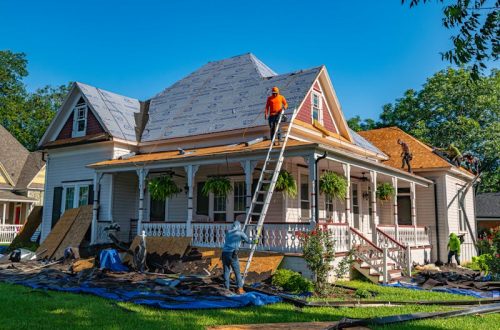
Your roof does more than keep the rain out. It protects the structure of your home, regulates temperature, and plays a major role in long-term property value. Yet it’s often one of the most overlooked parts of a house until something goes wrong.
Most major roofing problems don’t start as emergencies. They begin as small, manageable issu
es that go unnoticed or are put off too long. By the time they’re addressed, the damage is more extensive, more expensive, and more disruptive.
Instead of reacting to problems, you’ll learn how to plan, maintain, and make informed decisions that protect your home from the start and throughout its lifespan.
Understanding the Role Your Roof Plays in Total Home Protection
Your roof is your home’s first line of defense against the elements. It shields everything beneath it from rain, snow, wind, and extreme temperatures. But beyond that, it also plays a key role in energy efficiency and structural stability.
Residential roofing systems are designed to work as a complete unit, not just a layer of shingles. Each component contributes to overall performance.
Key parts of a roofing system:
- Decking: the structural base that supports everything above
- Underlayment: a protective barrier against moisture
- Shingles or outer layer: the visible surface that takes the brunt of weather exposure
- Ventilation: helps regulate temperature and prevent moisture buildup
- Flashing: seals vulnerable areas like chimneys and vents
Why this matters:
- A failure in one component can impact the entire system
- Poor ventilation can lead to mold, rot, and higher energy costs
- Water intrusion can damage insulation, ceilings, and walls
Energy efficiency connection:
- Proper insulation and ventilation reduce heating and cooling costs
- Reflective materials can help manage heat in warmer climates
Understanding how your roof functions as a system helps you make smarter decisions about maintenance and upgrades.
Choosing the Right Professionals for the Job
The quality of your roof depends heavily on who installs or repairs it. A reliable local roofing company brings knowledge of regional weather conditions, building codes, and long-term service availability.
Hiring the right roofer is about more than just price. It’s about trust, craftsmanship, and accountability.
What to look for in a professional:
- Proper licensing and insurance
- Clear communication and detailed estimates
- A track record of completed projects
Questions to ask before hiring:
- What materials do you recommend and why?
- How do you handle unexpected issues during a project?
- What warranties are included?
Red flags to avoid:
- Vague or incomplete quotes
- Pressure to make immediate decisions
- Lack of references or verifiable work
Why local experience matters:
- Familiarity with weather patterns
- Faster response times for follow-up or issues
- Established reputation within the community
Choosing the right professional sets the tone for the entire project and can significantly impact your roof’s longevity. A reputable contractor can help you navigate material options, address unique challenges related to your home or region, and ensure installation meets the highest standards. Their expertise also facilitates clear communication, timely scheduling, and reliable follow-up service. In the long run, this partnership not only supports the durability of your roof but also contributes to greater peace of mind and overall satisfaction with your investment.
Planning a Roof That Lasts from the Start
If you’re building a new home, early planning is critical. Decisions made during construction affect performance for decades.
Roofing contractors often work alongside home builders to ensure the roof integrates seamlessly with the rest of the structure. This collaboration is essential for long-term durability.
Key planning considerations:
- Roof pitch and design
- Drainage and water management
- Material compatibility with the home’s structure
Why coordination matters:
- Poor alignment between teams can lead to installation issues
- Design choices impact both aesthetics and function
- Early decisions influence maintenance needs later
Budgeting wisely:
- Investing in quality materials and installation upfront reduces future costs
- Cutting corners during construction often leads to expensive repairs
Timeline expectations:
- Roofing installation is typically one of the later stages of construction
- Delays in earlier phases can impact scheduling
A well-planned roof doesn’t just look good. It performs better and requires less intervention over time. By addressing design, material selection, drainage, and ventilation from the outset, you minimize future maintenance, reduce the risk of leaks or structural problems, and help ensure your roof adapts well to changing weather conditions. Careful planning also means your roof can accommodate upgrades like solar panels or insulation improvements more easily in the future, adding long-term value to your home.
Material Matters: Choosing What Works Best for Your Home

The materials you choose will determine how your roof performs, how long it lasts, and how much maintenance it requires.
Asphalt remains one of the most widely used materials due to its balance of cost, durability, and ease of installation. Asphalt shingle installation is a common choice for homeowners seeking reliable protection without a high upfront cost.
Factors to consider when choosing materials:
- Climate and weather exposure
- Budget and long-term value
- Aesthetic preferences
Benefits of asphalt-based systems:
- Affordable and widely available
- Relatively easy to repair
- Suitable for a wide range of home styles
Potential drawbacks:
- Shorter lifespan compared to premium materials
- Susceptibility to extreme weather if not installed properly
Installation matters as much as material:
- Poor installation can lead to premature failure
- Proper sealing and alignment are critical
Choosing the right material is about balancing performance, cost, and long-term expectations. Consider not only the initial price, but also how different materials hold up under your local climate, their maintenance requirements, and the potential for energy savings or insurance discounts. Materials like metal, tile, or synthetic options may have a higher upfront cost but can offer superior durability and lower maintenance over the lifespan of the roof. In contrast, more affordable options like asphalt shingles may require more frequent replacement. Consulting with a roofing professional can help you weigh all these factors and select the material that best matches your priorities and your home’s unique needs.
Working with Builders to Integrate Roofing Into the Full Design
When building a custom home, roofing decisions should be part of the overall design process, not an afterthought. Custom home builders often coordinate closely with roofing teams to ensure everything aligns.
Why integration matters:
- Design elements like rooflines impact drainage and durability
- Material choices should complement the overall structure
Key considerations during the design phase:
- Slope and shape of the roof
- Placement of vents, skylights, and chimneys
- Long-term maintenance access
Balancing form and function:
- A visually appealing design should still perform well under stress
- Complex designs may require more maintenance
Planning for the future:
- Consider how easy it will be to repair or replace sections
- Choose materials that match your long-term goals
A coordinated approach during construction ensures your roof supports both the look and performance of your home. When architects, builders, and roofing professionals work together from the start, potential design conflicts or functional oversights can be identified and resolved before construction is complete. This collaboration can also help integrate features like skylights, solar panels, or attic ventilation, ensuring that aesthetic choices don’t compromise structural integrity or weather resistance. Ultimately, such teamwork lays the foundation for a roof that is both visually appealing and built to last.
Spotting Early Signs of Damage Before They Escalate
Catching problems early can save you significant time and money. Most issues start small and become more serious when ignored.
Roof repairs are often straightforward when addressed promptly.
Common warning signs:
- Missing or damaged shingles
- Dark streaks or discoloration
- Water stains on ceilings or walls
How to inspect safely:
- Use binoculars to check from the ground
- Look for uneven surfaces or debris buildup
Seasonal checks to perform:
- After heavy storms
- At the start of winter and summer
When to call a professional:
- If you notice consistent leaks
- If damage appears widespread
- If you’re unsure of the severity
Being proactive helps prevent minor issues from turning into major repairs. Regular inspections, prompt attention to small warning signs, and scheduling professional assessments when needed can make a significant difference. This approach not only protects your roof but can also save you considerable time, stress, and money in the long run by avoiding emergency repairs and extending the lifespan of your roofing system.
Understanding the Repair Process and What to Expect
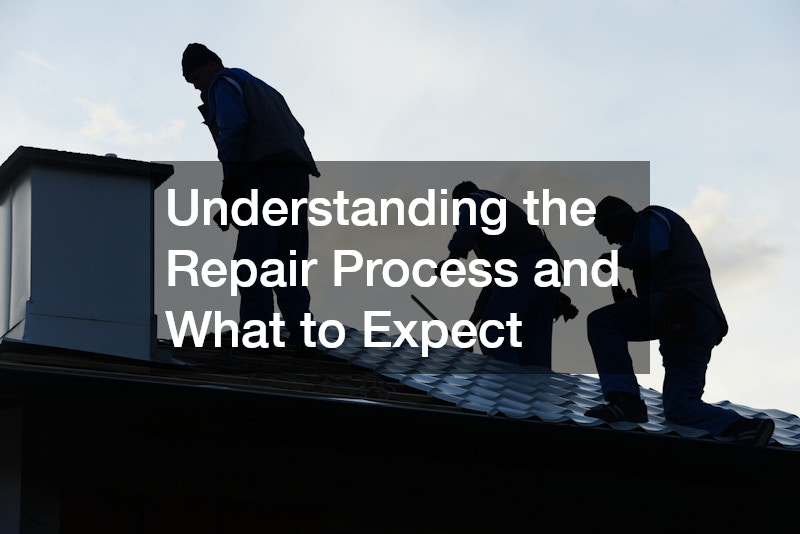
When damage occurs, knowing what to expect can make the process less stressful.
Roofing contractors typically begin with an inspection to determine the extent of the issue.
Steps in the repair process:
- Initial assessment
- Identification of underlying causes
- Repair or replacement of damaged sections
Typical timelines:
- Minor repairs can often be completed in a day
- Larger issues may take several days
Temporary vs. permanent fixes:
- Temporary solutions may be used to prevent further damage
- Long-term repairs address the root cause
Avoiding repeat issues:
- Address underlying problems, not just symptoms
- Follow maintenance recommendations
Understanding the process helps you make informed decisions and avoid unnecessary stress. By familiarizing yourself with the typical steps and timelines, you’re better prepared to ask the right questions, set realistic expectations, and communicate effectively with your roofing contractor. This proactive approach reduces the likelihood of surprises, ensures smoother project management, and ultimately leads to a more satisfactory outcome.
Maintaining Your Roof to Extend Its Lifespan
Regular maintenance is one of the most effective ways to protect your investment. Properly maintained residential roofing systems can last significantly longer.
Simple maintenance tasks:
- Clear debris from gutters and roof surfaces
- Trim overhanging branches
- Check for signs of wear regularly
Why maintenance matters:
- Prevents water buildup and damage
- Reduces the likelihood of costly repairs
- Extends the lifespan of materials
Professional inspections:
- Schedule periodic inspections
- Address small issues before they grow
Common mistakes:
- Ignoring minor damage
- Delaying maintenance tasks
- Attempting complex repairs without proper knowledge
Consistency in maintenance pays off over time. Homeowners who stick to a routine—such as scheduling seasonal inspections, cleaning gutters, and addressing small repairs right away—often avoid costly surprises. In addition, keeping maintenance records can help you track the roof’s condition and provide valuable documentation if you ever decide to sell your home. Ultimately, a proactive approach can extend the life of your roof and protect your overall investment.
The Role of Surface and Surrounding Structures
Your roof doesn’t exist in isolation. The surrounding environment affects how it performs.
Asphalt contractors often work on driveways and other surfaces that influence drainage and water flow around your home.
Why surrounding structures matter:
- Poor drainage can lead to water pooling near the foundation
- Runoff patterns can affect roof edges and gutters
What to consider:
- Proper grading of your property
- Functional gutters and downspouts
- Durable surfaces that manage water effectively
Coordinating exterior work:
- Ensure all elements work together
- Address issues that could impact roofing performance
Looking at your property as a whole helps prevent problems that originate outside the roof itself. For example, landscaping, driveways, patios, and even nearby trees can influence water drainage and the amount of debris that ends up on your roof. By considering how all these elements interact, you can address potential issues before they impact your roof’s performance or the overall health of your home.
Knowing When It’s Time to Repair vs. Replace
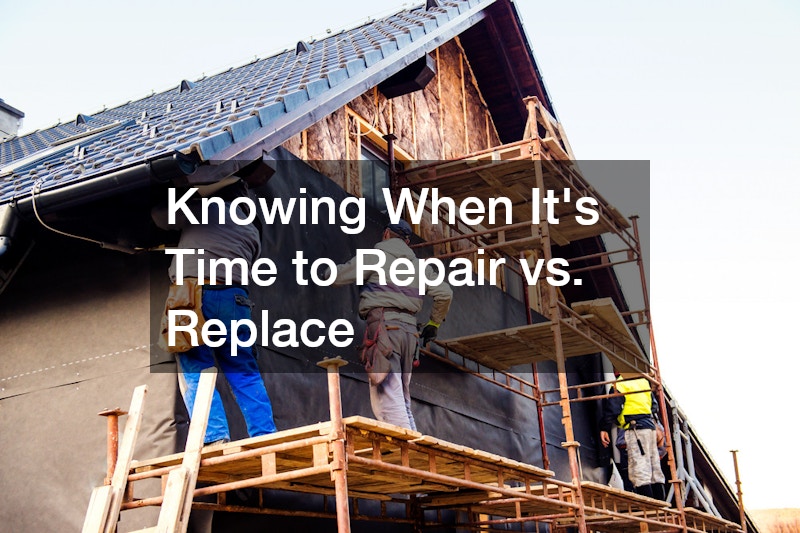
At some point, every roof reaches the end of its lifespan. Knowing when to repair and when to replace is essential for making cost-effective decisions.
A skilled roofer can evaluate your roof’s condition and recommend the best course of action.
Factors to consider:
- Age of the roof
- Extent of damage
- Cost comparison between repair and replacement
Signs replacement may be necessary:
- Frequent repairs are needed
- Widespread damage or deterioration
- Structural issues affecting performance
Planning ahead:
- Budget for eventual replacement
- Avoid waiting until failure occurs
Benefits of timely replacement:
- Improved protection and efficiency
- Increased property value
- Reduced risk of emergency repairs
Making the right decision at the right time helps you avoid unnecessary expenses and disruptions.
Protecting your home starts from the top down. A well-planned, properly installed, and consistently maintained roof provides long-term security, efficiency, and peace of mind.
By understanding how your roof works, choosing the right professionals, and staying proactive with maintenance, you can avoid many of the common issues homeowners face. The result is a stronger, more resilient home that stands up to the elements and supports your investment for years to come.