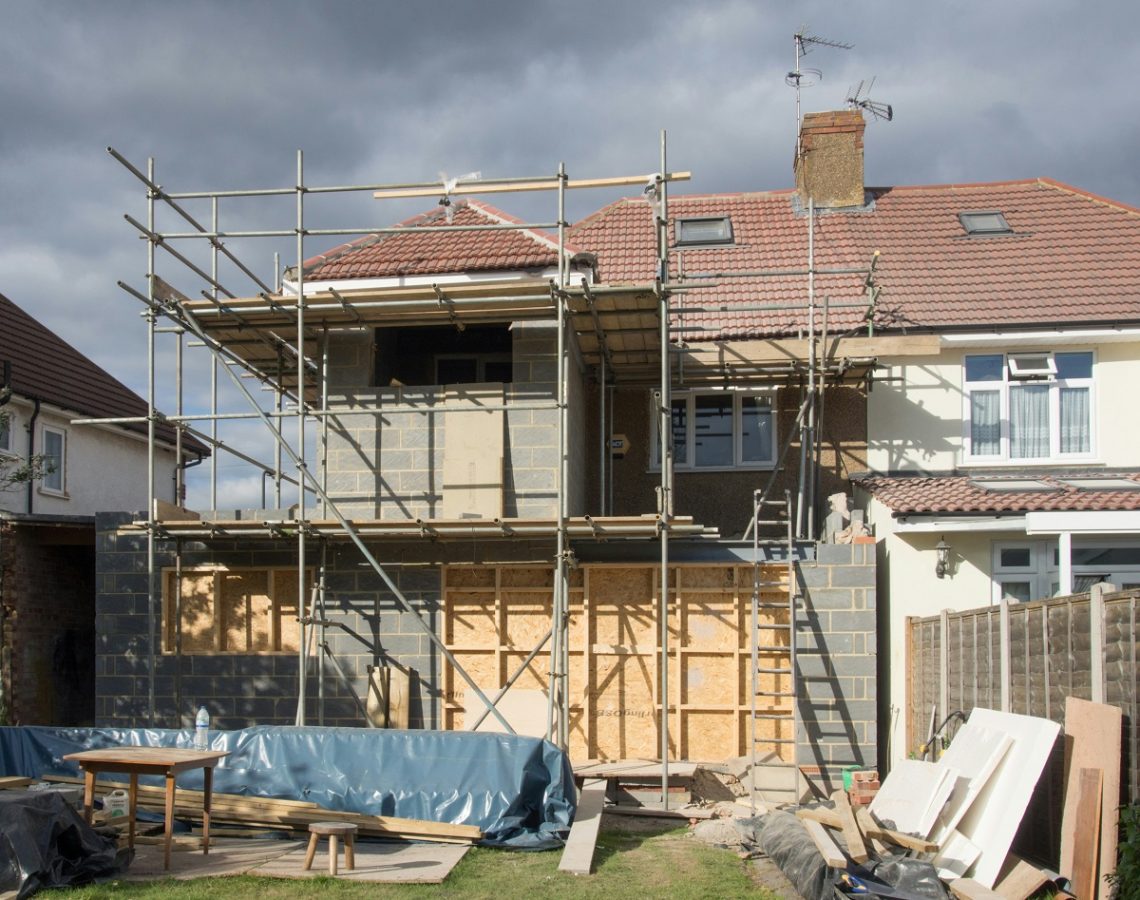
Key Takeaways:
- Fix urgent problems first. Safety and structural issues like a failing roof, water damage, or faulty wiring should always come before cosmetic upgrades, whatever the season or market looks like.
- Use market trends as background, not a trigger. Harvard’s outlook shows remodeling spending growth cooling, which may give you more room to negotiate with contractors. Slower growth doesn’t guarantee lower prices, so plan around your own situation.
- Pick your season strategically. Spring and summer are busy, fall is often a sweet spot, and winter suits interior work. Your local climate can change all of this.
- Build your budget before you build anything else. Include permits, design fees, and a contingency fund for surprises, and choose financing you can comfortably repay.
- Sequence the work carefully. Deal with structural, plumbing, electrical, and HVAC needs first, and save finishes like paint and décor for last so you don’t pay twice.
- Be honest about DIY. Weigh your skills, your available time, permit requirements, and resale impact. A hybrid approach, with pros on technical jobs and you on the simpler ones, works well for many homeowners.
- Plan early and avoid common timing mistakes. Give yourself many months of lead time, order long-lead materials early, and don’t wait for a “perfect” market. A start date that fits your finances, your household, and your local calendar beats a rushed one.
Ask ten homeowners when they decided to remodel and you will get ten different answers. Some were pushed by a leaking roof. Others got tired of a kitchen that never quite worked for their family. A few simply woke up one morning and decided the house needed a fresh start. What nearly all of them will admit, though, is that the timing could have been better.
Remodeling is one of the biggest financial and emotional commitments a homeowner makes. Start too early and you may burn through savings before you are ready. Start too late and a small problem can snowball into an expensive one. Pick the wrong season and you could spend weeks waiting on delayed materials or scrambling for a contractor with an opening.
This guide walks you through the signals, seasons, budgets, and life events that point to the right moment to renovate. We will look at what current market data suggests, how to sequence your projects, and which mistakes trip up even careful planners. By the end, you should feel confident about when to pull the trigger on your own home.
Why Timing Matters as Much as Design
A beautiful renovation done at the wrong moment can still feel like a mistake. Timing affects nearly everything about a project: what you pay, how long you wait, how much disruption your household absorbs, and whether the finished space delivers the value you hoped for.
Think about the moving parts. Contractors book up during busy stretches, which can push your start date back by months. Material prices shift with demand and supply chains. Your own finances change too, whether from a raise, a new baby, or a job transition. Even the weather plays a role, especially for exterior work like roofing, siding, and additions.
When everything lines up, a remodel feels manageable. You have cash set aside, a reliable crew on the schedule, and a household that can handle a bit of dust. When it does not, the same project becomes a source of stress, and homeowners often end up cutting corners or abandoning half-finished plans. The good news is that timing is something you can plan for. Nobody controls the market or the calendar, but you can learn to spot the windows that favor you.
What Current Remodeling Trends Are Telling Homeowners
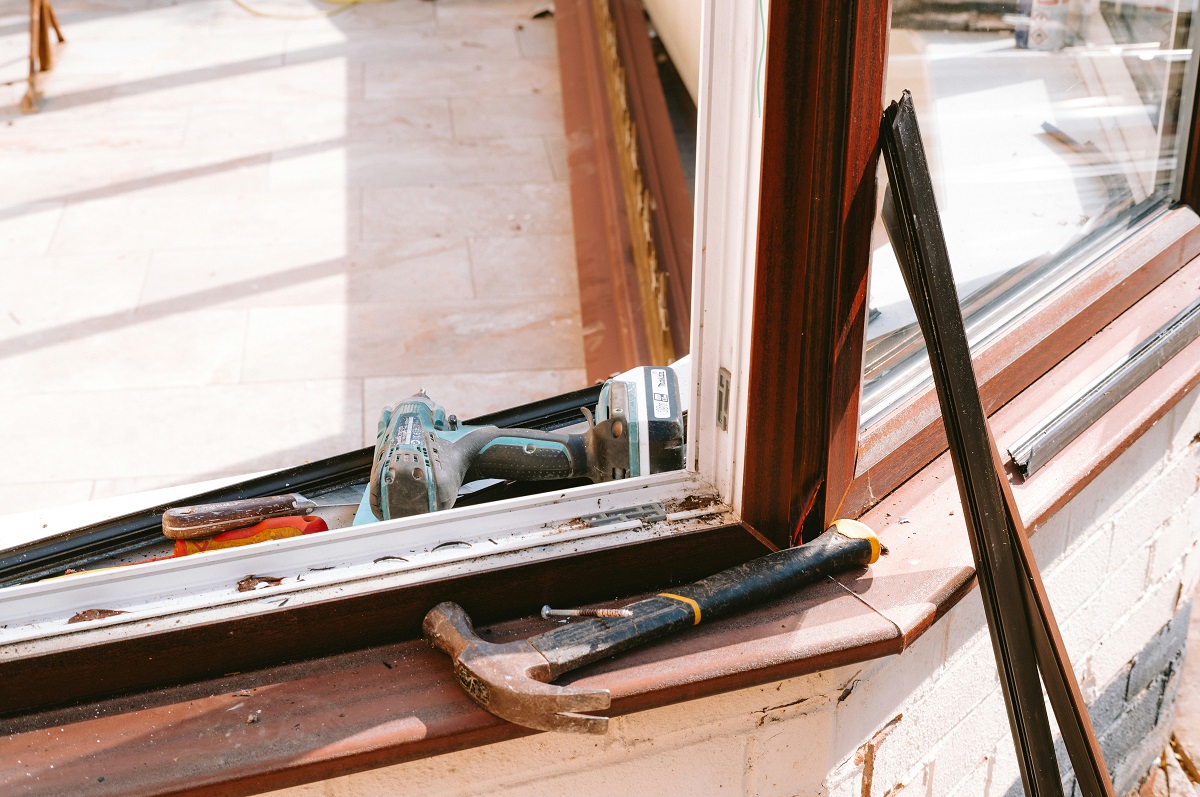
Before you circle a date on the calendar, it helps to know what is happening in the wider remodeling market. Harvard’s Joint Center for Housing Studies publishes a quarterly outlook called the Leading Indicator of Remodeling Activity, and its July 2026 release projects that yearly growth in homeowner renovation and repair spending will slow to just 0.5 percent by the second quarter of 2027.
So what does that number actually mean for you? First, growth is still positive, which tells us homeowners have not stopped renovating. They are simply spending at a more modest pace than before. Second, the researchers linked the cooling to flat remodeling permits, softer retail spending on building products, low housing starts, and home sales that remain sluggish. That suggests plenty of owners are staying put but feeling cautious about big projects.
For a homeowner, a cooling market can be a quiet opportunity. When demand is less frenzied, contractors may have more room in their schedules, and you may have more leverage to compare bids and negotiate reasonable terms. That said, slower spending growth does not automatically mean lower prices. Labor shortages and material costs can stay stubborn even when demand eases.
The takeaway is not to rush in, and it is not to wait for a perfect moment that may never arrive. Treat the national trend as background information, then weigh it against your own budget, your home’s condition, and your personal goals.
Warning Signs Your Home Is Asking for a Remodel
Sometimes the house makes the decision for you. Certain signs mean it is time to stop postponing and start planning:
- Recurring repairs: If you keep patching the same leak, cracked tile, or drafty window, those fixes may add up to more than a proper replacement.
- Visible water damage: Ceiling stains, soft floor spots, and musty smells often point to moisture problems that only get worse with time.
- Outdated electrical: Flickering lights, tripped breakers, and too few outlets are more than annoyances. They can be safety concerns.
- High utility bills: Old windows, thin insulation, and aging HVAC systems quietly drain your wallet every month.
- Layouts that fight your routines: A kitchen with no counter space or a bathroom your family has outgrown makes daily life harder than it should be.
- Aging major systems: Roofs, water heaters, and furnaces all have lifespans, and replacing them before they fail is usually cheaper than emergency repairs.
Safety and structural issues should always jump to the front of the line. Cosmetic upgrades can wait for the right season, but a failing roof or a foundation concern cannot. If you are unsure how urgent something is, a licensed home inspector can give you an unbiased assessment and help you rank the problems.
Life Events That Signal the Right Moment
Not every remodel is triggered by a broken part. Often it is your life that changes, and your home needs to keep up. Some of the most common turning points include:
- A growing family: A new baby or a blended household may call for another bedroom, a bigger kitchen, or a mudroom that tames the chaos.
- Working from home: A permanent remote setup can justify a dedicated office, better lighting, and upgraded internet wiring.
- Aging in place: If you plan to stay for decades, wider doorways, a curbless shower, and a main-floor bedroom are smart investments made before mobility becomes an issue.
- An empty nest: When the kids move out, their rooms can become a guest suite, hobby space, or home gym.
- Multigenerational living: Welcoming a parent or adult child often calls for a private suite or accessory unit.
- A recent purchase: Many new owners renovate soon after moving in because the house is empty and there is no routine to disrupt.
The best life-event remodels happen slightly ahead of the need rather than in the middle of a crisis. Planning for the baby before the due date keeps decisions calm and thoughtful. If you are always renovating in emergency mode, you will pay for that urgency in both money and stress.
Choosing the Best Season for Your Project
The calendar has a bigger influence on remodeling than most people expect, and each season comes with its own trade-offs.
Spring is the most popular time to start, so contractors fill up fast. If you want spring work, begin interviewing crews in winter. Mild temperatures suit exterior projects, though rain delays are common.
Summer offers long daylight hours and dry conditions, which makes it great for roofing, siding, decks, and additions. The downsides are heat, high demand, and the fact that many families want their kitchens back before holiday hosting begins.
Fall is often a sweet spot. The weather is still workable, and contractors who wrapped up summer jobs may have more availability. Just make sure exterior work is finished before the first freeze.
Winter is the quiet season for many trades. Interior projects such as kitchens, bathrooms, basements, and flooring can move forward while it is cold outside, and some contractors are happy to fill their calendars with indoor work. Holidays and shipping delays can slow things down, though, and closed windows mean paint and finish fumes linger longer.
Climate matters too. A homeowner in a region with harsh winters has a shorter window for outdoor work than someone in a mild area, and those in storm-prone or heavy-rain regions need to work around those seasons. Talk with local contractors about the patterns where you live, since they know which months run smoothly and which invite trouble.
Matching Your Remodel to Your Budget
Even the perfect season will not help if your finances are not ready. Good timing means having both the cash flow and the emotional cushion to see a project through.
Start with a realistic budget that covers materials, labor, permits, design fees, and a contingency fund for surprises. Older homes in particular love to reveal hidden wiring, rot, or outdated plumbing once the walls are open. If your budget has no wiggle room, one surprise can derail the whole project.
Next, think about how you will pay. Some homeowners use savings, while others turn to a home equity line of credit, a renovation loan, or a cash-out refinance. Each option carries different costs and risks, and interest rates change what makes sense. When borrowing is expensive, it may be smarter to save longer or phase the work in stages. When rates are friendlier, financing can be more reasonable, though you should still borrow only what you can comfortably repay.
Also consider your job stability and other big expenses on the horizon. Launching a whole-house renovation right before a career change or a tuition bill can stretch you thin. A slightly later start on stronger financial footing beats a rushed start that leaves you halfway through with no money left. A financial professional or a trusted lender can help you pressure-test the numbers before you sign a contract.
Getting the Order Right Before You Begin

Timing is not only about when you start. It is also about the order in which you do things. Tackling work in the wrong sequence can mean tearing out brand-new finishes to reach a pipe or wire you forgot about.
As a rule, start with anything that protects the structure of your home or hides behind walls. Here are the projects to complete before a major home renovation so you do not end up undoing your own work:
- Roof and gutter repairs, so water never damages your new interiors
- Foundation and drainage fixes, which keep basements and lower floors dry
- Plumbing upgrades and repiping, especially in older homes
- Electrical panel and wiring updates, so new lighting and appliances have safe power
- HVAC replacement or duct rerouting, since ductwork is easier to move before walls are closed
- Insulation and air sealing, which improve comfort and cut energy costs
- Pest and mold remediation, because hidden problems only spread
After the essentials, move on to windows and doors, then drywall, flooring, and cabinetry, and save paint and décor for last. Finishes always come at the end of the line.
It also helps to get permits and inspections lined up early. Some local offices take weeks to approve plans, and you do not want a paid crew standing around waiting on paperwork.
Weighing DIY Against Hiring a Professional
Your timeline also depends on who does the work. Doing it yourself can trim labor costs and feel deeply satisfying, but it almost always takes longer than people expect. Here is what to consider before a DIY remodeling project:
- Your skill level: Painting and simple trim work are very different from moving a gas line or rewiring a panel.
- Your available time: Weekend warriors can spend many months finishing what a crew handles in a few weeks.
- Tool and equipment costs: Renting or buying specialty tools can eat into your savings.
- Permits and codes: Many areas require licensed professionals for electrical, plumbing, and structural work.
- Warranty and insurance: Some policies and warranties may not cover unlicensed work.
- Resale impact: Poorly done work can raise red flags during a buyer’s inspection.
A hybrid approach works well for many homeowners. Hire pros for technical, high-risk tasks and tackle demolition, painting, or landscaping yourself. If you go the professional route, gather several written bids, check licenses and references, and confirm start and finish dates in the contract. Ask about their schedule honestly, too. A great contractor who is booked for six months may still be worth the wait.
Timing a Remodel Around Your Resale Plans
If you might sell in the next few years, timing gets trickier. You want to enjoy the improvements yourself while still recouping some of your investment.
A good approach is to finish major projects well before listing, giving yourself a buffer to catch any kinks. If you are selling within months, focus on light, high-impact updates such as fresh paint, tidy landscaping, updated fixtures, and a deep clean. Buyers tend to respond well to move-in-ready homes, and a big renovation right before listing can be a gamble because you may not get the full cost back.
Think, too, about which projects tend to appeal to buyers. Kitchens, bathrooms, energy-efficient upgrades, and extra usable space are popular choices. Very personal decisions, like a bold tile pattern or a highly specialized room, may delight you while narrowing your pool of buyers.
If you plan to stay for a long time, the equation flips. You can prioritize your own comfort and lifestyle, and the best time to remodel is often as soon as you can comfortably afford it, because every year you wait is a year without the space you want. A local real estate agent can tell you what buyers in your area value before you commit to a project list.
Common Timing Mistakes That Cost Homeowners
Even well-prepared homeowners stumble. Watch out for these frequent missteps:
- Waiting for a perfect market: Prices and rates rarely line up perfectly. If a project is needed and affordable, delaying for years can cost more than it saves.
- Starting before the design is final: Changing your mind mid-project triggers change orders, delays, and budget creep.
- Ignoring lead times: Custom cabinets, windows, and specialty appliances can take weeks or months to arrive, so order early.
- Underestimating disruption: Living without a kitchen or with a single bathroom is harder than it sounds. Plan for temporary setups or a short stay elsewhere.
- Overlapping big projects: Tackling a kitchen, bathroom, and addition at once multiplies stress and cost.
- Skipping permits: Unpermitted work can cause trouble with insurance, inspections, and future sales.
- Scheduling around holidays: A kitchen torn apart at Thanksgiving is rarely fun.
Notice the pattern. Most timing mistakes come from impatience or from ignoring the calendar. Slow down at the start and the project moves faster later.
A Simple Planning Timeline You Can Follow
If you are feeling ready, here is a loose roadmap. Adjust it to fit the size of your project:
- Twelve to eighteen months out: Define your goals, gather inspiration, and start saving. Schedule a home inspection if you have concerns.
- Six to twelve months out: Set a firm budget, explore financing, and begin interviewing designers and contractors.
- Four to six months out: Finalize the design, collect written bids, choose your team, and apply for permits.
- Two to three months out: Order long-lead materials, confirm the schedule, and plan your living arrangements.
- One month out: Clear the work area, protect your belongings, and set up a temporary kitchen or bath if needed.
- During construction: Hold weekly check-ins and keep a shared file of receipts, changes, and photos.
- After completion: Do a careful walkthrough, build a punch list, and hold back final payment until everything is done right.
Smaller projects will move faster, but the same logic applies. Planning ahead is the cheapest thing you can do to protect your budget and your sanity.
Wrapping Up
There is no universal answer to when you should remodel, but there is a right answer for you. It shows up when your home’s needs, your finances, your family’s plans, and the season all point in the same direction. Cooling national spending may give you a little more breathing room with contractors, yet it should never override the basics: fix urgent problems first, build a realistic budget, and give yourself plenty of runway to plan.
Take a fresh look at your home this week. Make a list of what is failing, what is frustrating, and what you dream about. Then match those items to a timeline and a budget. Whether you start next month or next year, thoughtful timing is what separates a renovation you survive from one you truly enjoy.